
PPE fabric hygiene pads help reduce up to 80% of cross-contamination risks during diaper changes for bedridden patients. Discover why they are essential in healthcare and home care settings.
I. PPE Fabric Hygiene Pads: A Critical Solution for Diaper Changes in Bedridden Patients
Diaper changes for bedridden patients are among the most hygiene-sensitive procedures in both clinical and home care settings. Unlike mobile patients, bedridden individuals are unable to adjust their posture, lift their bodies, or distance themselves from contaminated surfaces. As a result, every diaper change becomes a high-risk moment for cross-contamination, where bacteria, bodily fluids, and moisture can easily spread to beds, mattresses, clothing, and caregiver hands.
Prolonged skin contact with moisture is another serious concern. Urine, sweat, and other bodily fluids trapped against the skin can quickly compromise the skin barrier, increasing the likelihood of irritation, pressure sores, and secondary infections. Without an effective protective layer, even routine diaper changes may contribute to long-term skin damage and declining patient comfort.
PPE Fabric Hygiene Pads address these challenges by creating a clean, controlled, and disposable hygiene zone during every diaper change. Acting as a reliable protective barrier, these pads separate the patient’s body from surrounding surfaces, preventing direct contact with contaminants and significantly improving overall hygiene management.
For caregivers, PPE Fabric Hygiene Pads simplify care procedures by minimizing cleanup time, reducing the risk of accidental spills, and lowering direct exposure to bodily fluids. This not only enhances caregiver safety but also supports consistent infection control practices—especially in environments where multiple patients are cared for daily.
Most importantly, PPE Fabric Hygiene Pads help preserve patient dignity. By ensuring a dry, clean, and comfortable surface during diaper changes, they reduce discomfort, embarrassment, and unnecessary physical strain. For bedridden patients who cannot reposition themselves independently, this small yet essential hygiene solution plays a crucial role in delivering safer, more respectful, and more professional care.
II. How PPE Fabric Hygiene Pads Reduce Up to 80% of Cross-Contamination Risks
Cross-contamination occurs when bacteria, bodily fluids, or harmful pathogens are transferred from one surface to another during routine care procedures. In diaper changes for bedridden patients, this risk is significantly amplified. The combination of close physical contact, limited patient mobility, and exposure to moisture creates an environment where contaminants can easily spread—from the patient’s skin to bedding, medical equipment, caregiver gloves, and surrounding surfaces.
Without proper protective layers, even the most careful diaper-changing process can result in invisible contamination. Fluids may seep into mattresses, sheets, or clothing, while bacteria can linger on reusable surfaces, increasing the likelihood of repeated exposure during subsequent care activities. Over time, these small lapses in hygiene control can contribute to higher infection rates, skin complications, and increased cleaning and disinfection workloads.
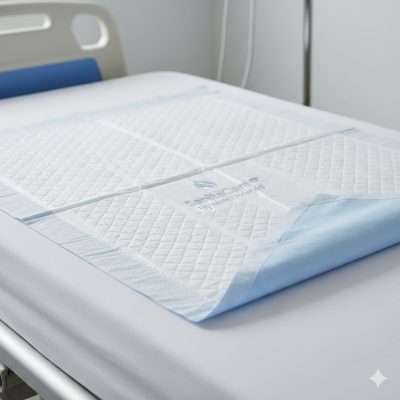
PPE Fabric Hygiene Pads are specifically designed to interrupt this chain of contamination and help reduce up to 80% of cross-contamination risks. Their effectiveness lies in a combination of material structure, functional design, and single-use application:
-
Creating a reliable physical barrier: PPE Fabric Hygiene Pads form a protective layer between the patient and beds, wheelchairs, or other care surfaces. This barrier prevents direct contact with potentially contaminated areas, significantly lowering surface-to-skin and surface-to-surface transmission risks.
-
Rapid fluid absorption to contain bacteria: High-quality PPE fabric pads are engineered to absorb fluids quickly and efficiently. By locking in moisture, they limit the spread of bacteria and pathogens that thrive in wet environments, reducing the chance of contamination spreading beyond the immediate care area.
-
Leakage prevention for comprehensive protection: A leak-resistant backing prevents fluids from penetrating mattresses, bed linens, or caregiver gloves. This containment not only protects expensive medical equipment but also reduces the need for frequent deep cleaning and surface replacement.
-
Single-use disposal for maximum hygiene assurance: Because PPE Fabric Hygiene Pads are disposable, they eliminate the risks associated with reuse, improper washing, or incomplete disinfection. Each diaper change begins with a clean, uncontaminated pad, ensuring consistent hygiene standards across all care sessions.
Together, these features make PPE Fabric Hygiene Pads a frontline defense in infection prevention protocols, particularly in hospitals, long-term care facilities, and home care environments. By minimizing contamination pathways at one of the most vulnerable points in patient care, PPE fabric pads support safer caregiving practices, protect both patients and caregivers, and contribute to a cleaner, more controlled care environment overall.
III. Why PPE Fabric Hygiene Pads Are Essential for Bedridden Patients
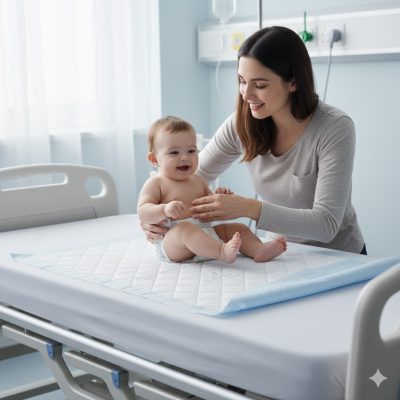
Bedridden patients represent one of the most vulnerable groups in healthcare and long-term care settings. Their inability to move independently, combined with frequent exposure to moisture and prolonged contact with care surfaces, places them at a significantly higher risk of infection, skin damage, and hygiene-related complications. In this context, PPE Fabric Hygiene Pads are not optional accessories—they are an essential component of safe and effective patient care, particularly during diaper changes.
1. Enhanced Hygiene Control During Diaper Changes
Bedridden patients often require multiple diaper changes throughout the day. Each change introduces a new opportunity for bacteria, bodily fluids, and pathogens to spread if hygiene controls are insufficient. Over time, this cumulative exposure greatly increases the risk of cross-contamination, not only for the patient but also for surrounding surfaces and caregivers.
PPE Fabric Hygiene Pads ensure that every diaper change begins with a clean, uncontaminated surface. By providing a fresh, disposable barrier for each care session, these pads eliminate residual contamination that can remain on bedsheets, mattresses, or reusable pads. This consistency is critical in maintaining high hygiene standards, especially in environments where multiple patients are cared for in succession.
For healthcare facilities and home care providers alike, this level of control simplifies hygiene protocols and reduces the margin for error during routine care procedures.
2. Reduced Risk of Skin Infections and Pressure Sores
Moisture is one of the leading contributors to skin breakdown in bedridden patients. Prolonged exposure to urine or other fluids can soften the skin (maceration), making it more vulnerable to irritation, bacterial invasion, and infection. When combined with constant pressure from lying in one position, these conditions significantly increase the risk of pressure sores and skin ulcers.
PPE Fabric Hygiene Pads help keep the skin dry by rapidly absorbing and containing fluids, preventing prolonged contact between moisture and the patient’s skin. By maintaining a cleaner, drier surface during and after diaper changes, these pads reduce friction, irritation, and microbial growth—key factors in preventing skin-related complications.
This protective function not only improves patient comfort but also supports long-term skin integrity, which is essential for recovery, quality of life, and reduced medical interventions.
3. Improved Caregiver Safety and Occupational Protection
Caregivers—whether healthcare professionals or family members—face daily exposure to bodily fluids during diaper changes. Without adequate protective layers, this exposure increases the risk of contamination, infection, and occupational health issues, particularly during repeated care tasks.
Disposable PPE Fabric Hygiene Pads significantly reduce direct contact with bodily fluids, creating a safer working environment for caregivers. By containing spills and limiting surface contamination, these pads lower the risk of accidental exposure to pathogens and reduce the need for extensive surface cleaning between patients.
In professional care settings, this contributes to safer workflows, better compliance with infection control standards, and reduced caregiver fatigue. In home care environments, it provides peace of mind for families caring for bedridden loved ones.
By enhancing hygiene control, protecting vulnerable skin, and improving caregiver safety, PPE Fabric Hygiene Pads play a critical role in diaper changes for bedridden patients. Their use supports safer care practices, reduces health risks, and ensures that both patients and caregivers are protected throughout the caregiving process.
IV. Key Features of PPE Fabric Hygiene Pads for Diaper Changes
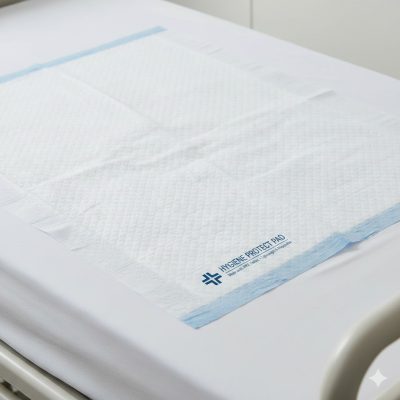
High-quality PPE Fabric Hygiene Pads are purpose-built to meet the demanding hygiene and safety requirements of medical, long-term care, and home care environments. Unlike ordinary cloth sheets or reusable pads, these products are engineered with multiple functional layers that work together to provide reliable protection during diaper changes—especially for bedridden patients who require the highest level of hygiene control.
At the core of PPE Fabric Hygiene Pads is non-woven PPE fabric, a material widely used in medical protective equipment due to its balance of strength, softness, and breathability. This fabric is gentle on sensitive skin, reducing friction and discomfort during patient repositioning or diaper changes. Its breathable structure allows airflow while still maintaining an effective barrier against fluids, helping to minimize heat buildup and moisture accumulation—two key factors that can contribute to skin irritation and breakdown in immobile patients.
One of the most critical features of PPE Fabric Hygiene Pads is their high absorbency capacity. The inner layers are designed to absorb fluids quickly and lock them away from the surface, preventing pooling or spread.By containing moisture immediately, these pads reduce the risk of bacterial growth and limit the spread of contaminants to surrounding surfaces. This rapid absorption is particularly important during diaper changes, where fluid exposure can occur suddenly and in large volumes.
To provide comprehensive protection, PPE Fabric Hygiene Pads incorporate a leak-resistant backing layer. This barrier prevents fluids from seeping through to mattresses, bed linens, wheelchairs, or medical equipment.Protecting these surfaces not only supports infection control but also helps reduce cleaning time, laundry costs, and wear on expensive medical bedding. In healthcare facilities, this translates into more efficient operations and lower maintenance expenses.
Unlike reusable pads that rely on proper washing and disinfection, disposable PPE Fabric Hygiene Pads eliminate hygiene uncertainty. Each pad is used once and safely discarded, ensuring that every diaper change starts with a fresh, uncontaminated surface.This single-use design aligns with strict infection prevention protocols in hospitals and nursing homes, where consistency and reliability are essential. It also simplifies care routines in home care settings, removing the burden of washing, drying, and storage.
When compared to traditional cloth sheets or reusable hygiene pads, PPE Fabric Hygiene Pads offer clear advantages. Cloth materials often retain moisture, allow leakage, and may harbor bacteria even after washing. In contrast, PPE fabric pads are engineered for one-time use, controlled absorption, and effective containment—making them far more reliable for high-risk care procedures like diaper changes for bedridden patients.With their non-woven PPE fabric, high absorbency layers, leak-resistant backing, and disposable design, PPE Fabric Hygiene Pads deliver a level of hygiene, safety, and efficiency that reusable alternatives simply cannot match. These key features make them an indispensable tool for safe diaper changes in medical and long-term care environments.
V. Applications of PPE Fabric Hygiene Pads Beyond Bedridden Patient Care
While PPE Fabric Hygiene Pads are widely recognized as an essential solution for diaper changes for bedridden patients, their value extends far beyond this single use case. Thanks to their hygienic design, high absorbency, and disposable structure, these pads are trusted across a wide range of medical and care environments where infection control, surface protection, and patient comfort are critical.
In hospitals and long-term care facilities, maintaining consistent hygiene standards is a daily operational challenge. PPE Fabric Hygiene Pads are commonly used during patient transfers, routine examinations, wound care, and bedside procedures where fluid exposure is likely.Their disposable nature supports strict infection prevention protocols by reducing surface contamination between patients. In high-traffic care environments, this helps healthcare teams maintain efficiency while minimizing the risk of hospital-acquired infections (HAIs).
For home nursing services and families caring for elderly or chronically ill individuals, PPE Fabric Hygiene Pads offer a practical and reliable hygiene solution. Unlike reusable pads that require laundering, disposable PPE fabric pads simplify daily care routines and reduce caregiver workload.They provide peace of mind by ensuring a clean surface for each care activity, whether during diaper changes, personal hygiene tasks, or patient repositioning. This makes them especially valuable in home settings where professional-grade cleaning facilities may not be available.
During post-surgical recovery, patients often experience limited mobility, fluid leakage, or increased sensitivity. PPE Fabric Hygiene Pads help protect bedding and care surfaces while maintaining a clean and comfortable recovery environment.By absorbing fluids and preventing leakage, these pads reduce the risk of post-operative infections and support faster recovery. Their gentle, skin-friendly materials also help minimize irritation in patients with surgical wounds or compromised skin.
In emergency medical transport—such as ambulances or mobile care units—hygiene control is particularly challenging due to confined spaces and rapid patient turnover. PPE Fabric Hygiene Pads are used to protect stretchers, seats, and equipment from contamination during transport.Their lightweight, disposable design allows emergency responders to quickly reset surfaces between patients, supporting faster response times while maintaining essential hygiene standards.
Because PPE Fabric Hygiene Pads can be used in a wide range of applications, they offer exceptional cost-effectiveness. By reducing cleaning time, laundry costs, surface damage, and infection-related expenses, these pads help healthcare providers and caregivers optimize both hygiene outcomes and operational efficiency.
From hospitals and long-term care facilities to home nursing, post-surgical recovery, and emergency transport, PPE Fabric Hygiene Pads deliver reliable protection wherever hygiene matters most. Their versatility makes them an indispensable tool across multiple care scenarios, far beyond bedside diaper changes alone.

VI. Consequences of Skipping PPE Fabric Hygiene Pads During Diaper Changes
In hygiene-sensitive care environments, small omissions can lead to serious consequences. Failing to use PPE Fabric Hygiene Pads during diaper changes—especially for bedridden patients—significantly increases both health risks and operational burdens. What may appear to be a minor cost-saving measure can quickly result in far greater long-term consequences.
Hospital-acquired infections remain one of the most serious challenges in healthcare facilities worldwide. Skipping PPE Fabric Hygiene Pads during diaper changes creates an unnecessary weak point in infection prevention protocols.Repeated exposure to contaminated surfaces can lead to urinary tract infections, skin infections, and wound complications—particularly in bedridden patients with compromised immune systems. Once HAIs occur, they often result in longer recovery times, additional medical interventions, and increased healthcare costs.
When PPE Fabric Hygiene Pads are not used, fluids are more likely to seep into mattresses, bed linens, and equipment. This leads to more frequent laundering, deeper cleaning procedures, and faster wear and tear on expensive care surfaces. Over time, the cost of additional labor, cleaning agents, laundry services, and equipment replacement can far exceed the cost of using disposable hygiene pads. In high-volume care settings, these hidden operational costs can significantly impact budgets and staff efficiency.
Beyond physical health risks, skipping PPE Fabric Hygiene Pads can negatively affect the patient experience. Moist bedding, repeated repositioning, and prolonged cleanup times can cause discomfort, embarrassment, and emotional distress—particularly for patients who are already vulnerable due to immobility or illness.Maintaining a clean, dry, and respectful care environment is essential to preserving patient dignity. PPE Fabric Hygiene Pads help ensure that diaper changes are handled discreetly and efficiently, reducing unnecessary exposure and discomfort.
In high-risk care environments such as hospitals, nursing homes, and long-term care facilities, skipping this simple protective measure can undermine overall infection control efforts. A single gap in hygiene practice can have cascading effects, impacting patient safety, caregiver health, and facility reputation.
What seems like a small omission—failing to use PPE Fabric Hygiene Pads during diaper changes—can lead to serious health, financial, and human consequences. Incorporating disposable PPE fabric hygiene pads into standard care protocols is a simple yet highly effective step toward safer, more efficient, and more compassionate patient care.
VII. Conclusion: PPE Fabric Hygiene Pads Are a Simple Step Toward Safer Diaper Changes
In environments where hygiene directly impacts health, safety, and dignity, small preventive measures often deliver the greatest protection. By helping prevent up to 80% of cross-contamination risks, PPE Fabric Hygiene Pads are not optional accessories—they are essential hygiene tools for diaper changes for bedridden patients and other high-risk care scenarios.
For patients who cannot move independently, every diaper change represents a critical hygiene moment. Without proper protection, these moments can become sources of infection, discomfort, and unnecessary exposure. PPE Fabric Hygiene Pads transform routine care into a controlled, cleaner, and safer process—protecting vulnerable patients while supporting caregivers in delivering consistent, professional care.
By integrating disposable PPE fabric hygiene pads into daily care routines, healthcare providers, caregivers, and families can significantly reduce infection risks, protect care surfaces, and preserve patient dignity—all with a single, highly effective solution. This simple step strengthens infection control protocols, improves operational efficiency, and elevates overall care standards across medical, long-term care, and home care environments.
At TM&DV 8688 Co., Ltd., we are committed to delivering professional-grade PPE and hygiene solutions designed for real-world use, where performance, reliability, and consistency matter every day. Our products serve a wide range of environments—from hospitals, clinics, and elder care facilities to spas, wellness centers, service facilities, and hygiene-critical workplaces.
Every solution we supply is developed with a clear focus on material integrity, durability, regulatory compliance, and repeatable performance. We believe that effective hygiene protection should do more than meet standards on paper—it must perform reliably in daily operations, under real conditions, and at scale. That philosophy guides every stage of our product development and sourcing process.
We understand that in PPE and hygiene applications, trust begins at the material level. That is why TM&DV 8688 Co., Ltd. places uncompromising emphasis on high-quality materials, controlled production processes, and proven performance benchmarks. Our PPE Fabric Hygiene Pads and related solutions are designed to align with international hygiene and safety requirements, making them suitable for both domestic use and export markets.
Beyond compliance, we focus on long-term operational value. Our products help reduce contamination risks, minimize waste, lower replacement and cleaning costs, and support scalable, sustainable operations. This commitment enables our partners to work with confidence—knowing their hygiene solutions are dependable, consistent, and future-ready.
Whether you are upgrading hygiene standards, expanding healthcare or service operations, or supplying professional-grade PPE to demanding environments, TM&DV 8688 Co., Ltd. stands ready to support your goals with practical expertise and reliable solutions.
📌 Discover how TM&DV 8688 Co., Ltd. can support your business today:
🌐 Website: 8688.com.vn
📞 Hotline: 0909 868 688
📧 Email: info@8688.vn
TM&DV 8688 Co., Ltd. — Professional Protection. Trusted Quality. Long-Term Peace of Mind.
