
Skipping food wrap can increase food exposure to germs 3× faster, leading to contamination, foodborne illness, higher costs, and compliance risks. Learn the hidden dangers and proven prevention strategies.
I. Skipping Food Wrap Can Increase Food Exposure to Germs 3× Faster – The Hidden Food Safety Risk You Can’t Ignore
In the modern food industry, food safety failures rarely originate from dramatic system collapses or catastrophic equipment malfunctions. More often, they begin quietly—with small, routine habits that are repeated every day without question. Among these overlooked practices, skipping food wrap stands out as one of the most dangerous and underestimated risks.
At first glance, leaving food uncovered may seem harmless, especially in fast-paced environments where speed and convenience are prioritized. However, food safety observations and hygiene assessments consistently reveal a troubling reality: skipping food wrap can increase food exposure to germs up to three times faster compared to properly wrapped food.
This risk extends far beyond a single kitchen or setting. Whether in restaurants, food factories, catering services, supermarkets, institutional kitchens, or home environments, unwrapped food becomes an immediate target for airborne bacteria, environmental contaminants, and cross-contact hazards. Every second food remains exposed, microscopic pathogens begin to settle and multiply—often long before any visible signs of spoilage appear.
What makes skipping food wrap particularly dangerous is its silent nature. Contamination does not announce itself with odor, discoloration, or texture changes. Instead, harmful microorganisms spread invisibly, turning otherwise fresh and high-quality food into a potential source of foodborne illness. This invisible threat places consumer health directly at risk, especially for vulnerable groups such as children, the elderly, and individuals with weakened immune systems.
For food businesses, the consequences extend even further. A single lapse caused by skipping food wrap can trigger:
-
Food safety violations during inspections
-
Failed audits under HACCP, GMP, or ISO standards
-
Customer complaints and negative reviews
-
Product recalls, legal liability, and reputational damage
In an era where transparency and accountability define brand trust, even one contamination incident can undo years of hard-earned credibility.
Equally important, skipping food wrap undermines regulatory compliance. Food safety regulations worldwide emphasize the protection of food from contamination at every stage—from preparation and storage to transportation and display. Failing to wrap food properly is no longer viewed as a minor procedural error, but as a systemic hygiene failure with serious implications.
Ultimately, skipping food wrap is not a shortcut—it is a risk multiplier. What appears to save seconds in preparation can cost businesses thousands in losses and, more critically, can jeopardize public health. Recognizing this hidden danger is the first step toward building a stronger, safer, and more responsible food safety culture.
1. Skipping Food Wrap Eliminates the First Line of Food Protection
Food wrap is not optional packaging or a mere convenience—it is a critical component of food safety infrastructure. In professional food handling environments, food wrap functions as the primary hygiene barrier, standing between food products and a wide range of contamination sources present in the surrounding environment.
When skipping food wrap, this essential barrier is instantly removed. Food is left defenseless, directly exposed to invisible yet highly active contaminants that exist in every kitchen, production line, and storage area.
The moment food remains uncovered, it becomes vulnerable to:
-
Airborne bacteria and viruses circulating through ventilation systems, human movement, and temperature fluctuations
-
Dust particles and respiratory droplets that can settle rapidly on food surfaces
-
Microorganisms carried by insects, such as flies and pests attracted to food aromas
-
Accidental contact from hands, tools, utensils, clothing, and packaging materials moving through shared workspaces
In high-traffic food preparation areas, these risks multiply exponentially. Each staff movement, door opening, or equipment operation disturbs air particles, allowing contaminants to travel and settle. Without food wrap, food surfaces act like open collectors, absorbing these contaminants almost immediately.
What makes skipping food wrap particularly dangerous is the speed at which contamination begins. Studies and food safety observations show that microbial exposure can start within minutes, long before food handlers realize a problem exists. Because contamination is microscopic, food may appear visually clean while already being unsafe for consumption.
Additionally, the absence of food wrap increases the likelihood of indirect contamination. A single unwrapped item can become a contamination source for nearby foods, surfaces, and equipment—turning one small oversight into a widespread hygiene failure.
By eliminating this first line of food protection, skipping food wrap compromises the entire food safety chain. It undermines hygiene controls, increases dependency on human behavior alone, and leaves food vulnerable to environmental risks that no amount of cleaning can fully eliminate.
In essence, food wrap is not about convenience—it is about control. And when that control is removed, contamination is no longer a possibility—it becomes an inevitability.
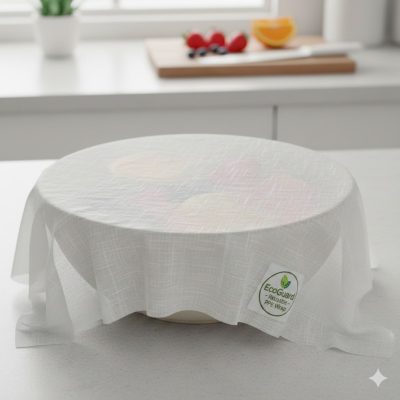
2. Skipping Food Wrap Causes Germ Exposure to Occur 3× Faster
Scientific food safety observations and microbial studies consistently confirm one critical fact: unprotected food surfaces attract, retain, and support bacterial growth far more quickly than food that is properly wrapped and sealed. This is why skipping food wrap does not merely increase risk—it dramatically accelerates contamination.
When food is left uncovered, its surface is directly exposed to the surrounding environment, creating ideal conditions for microbial activity. By skipping food wrap, several critical control factors are lost simultaneously:
-
Oxygen accelerates microbial activity
Many bacteria require oxygen to survive and multiply. When food is exposed to open air, oxygen continuously feeds microbial growth, allowing bacteria to settle and reproduce at a much faster rate. -
Moisture remains uncontrolled
Food naturally releases moisture into its surrounding environment. Without food wrap to regulate humidity, moisture accumulates on exposed surfaces, creating a perfect breeding ground for bacteria and mold. -
Surface contamination spreads rapidly
Unwrapped food surfaces are easily contaminated by airborne particles, droplets, and indirect contact. Once bacteria land on these surfaces, they can quickly spread across the entire food item.
The combined effect of oxygen exposure, uncontrolled moisture, and open surfaces explains why germ exposure can increase up to three times faster when skipping food wrap. Even short periods of exposure can significantly elevate microbial counts—often beyond safe consumption thresholds—long before spoilage is visible.
What makes this risk especially dangerous is that accelerated germ exposure is invisible. Food may look fresh, smell normal, and feel unchanged, yet already carry harmful levels of bacteria. This creates a false sense of safety for both food handlers and consumers.
In high-volume kitchens, production facilities, and storage areas, this accelerated exposure becomes even more severe. Constant airflow, temperature fluctuations, and human movement further amplify contamination rates, turning minutes of exposure into a serious food safety breach.
Proper food wrapping slows microbial activity by limiting oxygen access, controlling moisture levels, and sealing off contamination pathways. When this protective measure is removed, bacteria gain the advantage—and food safety rapidly deteriorates.
In short, skipping food wrap transforms time into an enemy. What could have remained safe for hours becomes a contamination risk in minutes, making proper food wrapping one of the most effective and essential tools in modern food safety management.
3. Skipping Food Wrap Accelerates Bacterial Growth Cycles
Bacteria do not grow slowly or linearly—they multiply exponentially. Under favorable conditions, a single bacterium can double in number every 20 to 30 minutes. This means that what begins as a microscopic presence can quickly turn into a serious contamination threat. Skipping food wrap dramatically accelerates this process.
When food is left uncovered, it becomes an ideal environment for bacterial survival and rapid multiplication. By skipping food wrap, several critical growth controls are removed at once, allowing bacteria to thrive:
-
Rapid bacterial reproduction
Exposure to oxygen, nutrients, and moisture enables bacteria to reproduce at maximum speed. Without food wrap limiting these factors, bacterial populations can surge within a very short time frame. -
Biofilm formation
As bacteria multiply on exposed food surfaces, they can form biofilms—protective layers that shield microorganisms from cleaning agents and environmental stress. Once biofilms develop, contamination becomes significantly harder to eliminate. -
Invisible contamination buildup
One of the most dangerous aspects of bacterial growth is that it remains invisible. Food may look, smell, and feel perfectly normal while harboring unsafe bacterial levels.
This rapid and unseen growth means that food can become unsafe long before any visible signs of spoilage appear. Relying on sight or smell as safety indicators is therefore highly unreliable when skipping food wrap.
In busy kitchens and food processing facilities, the risk is even greater. Warm temperatures, high humidity, and constant handling create optimal conditions for accelerated bacterial growth. Without the protective barrier of food wrap, food effectively becomes an open culture medium for microorganisms.
Proper food wrapping slows bacterial growth by restricting oxygen exposure, stabilizing surface moisture, and limiting contact with contaminants. When this barrier is removed, bacteria gain a critical advantage, multiplying rapidly and silently.
Ultimately, skipping food wrap allows bacterial growth cycles to run unchecked, turning time into a liability rather than a controlled factor. This is why food safety protocols emphasize immediate and consistent food wrapping as a fundamental control measure—not a secondary precaution.
4. Skipping Food Wrap Greatly Increases Cross-Contamination Risks
Cross-contamination is recognized globally as one of the leading causes of food safety violations and foodborne illness outbreaks. It occurs when harmful microorganisms are transferred from one food, surface, or object to another—often without being detected. Skipping food wrap significantly magnifies this risk, turning everyday food handling into a serious hygiene hazard.
When food is left uncovered, it loses its protective boundary and becomes part of a shared contamination network. By skipping food wrap, food can easily be contaminated through multiple high-risk pathways, including:
-
Raw meat, poultry, and seafood juices
These foods naturally carry high bacterial loads. Without proper wrapping, their juices can drip, splash, or seep onto ready-to-eat foods, spreading pathogens such as Salmonella and Campylobacter. -
Shared storage shelves and refrigeration units
Unwrapped food placed on common shelves can absorb contaminants left behind by previous items. Even refrigerated environments do not stop cross-contamination when physical separation is missing. -
Unsanitized utensils, gloves, and food-handling tools
Gloves and tools that move between tasks can unknowingly transfer bacteria to exposed food surfaces. Without food wrap, a single contact can contaminate an entire batch. -
Improper food stacking and overcrowded storage
When food items are stacked without wrapping, contact between raw and cooked products becomes almost unavoidable, especially in high-volume operations.
What makes cross-contamination especially dangerous is its chain reaction effect. One unwrapped item can contaminate adjacent foods, storage surfaces, and equipment—spreading risk throughout the entire kitchen or production area.
Food wrap plays a critical preventive role by providing physical separation. This barrier:
-
Blocks direct contact between foods
-
Prevents liquid transfer and splashing
-
Limits indirect contamination from surfaces and tools
-
Maintains organized, safe storage practices
By sealing food at the source, food wrap effectively cuts contamination pathways before they start.
In regulated food environments, failure to control cross-contamination is considered a major violation. Skipping food wrap undermines HACCP control points, weakens sanitation protocols, and increases the likelihood of audit failures, recalls, and legal consequences.
Ultimately, cross-contamination is not caused by a single mistake—it is caused by missing barriers. And when food wrap is skipped, the most essential barrier disappears, allowing contamination to spread freely and silently.
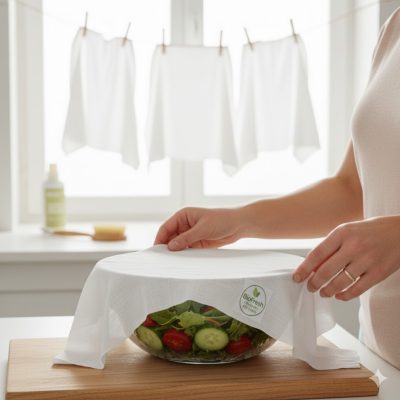
5. Skipping Food Wrap Raises the Risk of Foodborne Illness Outbreaks
Foodborne illness outbreaks are rarely the result of poor ingredient quality alone. In fact, many investigations conclude that improper handling and inadequate protection are the primary causes. Among these handling failures, skipping food wrap plays a critical and often underestimated role.
When food is left uncovered, it becomes highly vulnerable to dangerous pathogens that thrive in exposed environments. By skipping food wrap, food surfaces are left open to contamination by microorganisms such as:
-
Salmonella
Commonly associated with raw poultry, eggs, and meat, Salmonella can easily transfer to exposed ready-to-eat foods. Even a small number of bacteria can cause serious gastrointestinal illness. -
Escherichia coli (E. coli)
Certain strains of E. coli are highly pathogenic and can lead to severe abdominal pain, dehydration, and kidney complications. Unwrapped food provides an easy landing surface for this bacteria to spread and multiply. -
Listeria monocytogenes
Particularly dangerous due to its ability to grow at refrigeration temperatures, Listeria poses a serious threat when food is left unwrapped in cold storage. It is especially hazardous for pregnant women, newborns, the elderly, and immunocompromised individuals.
What makes skipping food wrap especially dangerous is that these pathogens do not always cause immediate spoilage. Food may appear fresh, clean, and safe, while harboring bacteria capable of triggering widespread illness.
In commercial food environments, a single unwrapped item can become the starting point of an outbreak. Once contaminated food is served or distributed, the consequences escalate rapidly, potentially leading to:
-
Multiple cases of illness across different locations
-
Hospitalization and long-term health complications
-
Product recalls and mandatory closures
-
Legal action and irreversible damage to brand reputation
For vulnerable populations, the consequences are even more severe. Children, the elderly, pregnant women, and individuals with weakened immune systems face a higher risk of complications, making skipping food wrap not just a procedural error, but a public health concern.
Food wrap plays a vital preventive role by isolating food from contamination sources, slowing pathogen growth, and maintaining hygienic storage conditions. When this barrier is removed, pathogens gain a direct pathway to food—transforming minor handling lapses into potential outbreak scenarios.
Ultimately, skipping food wrap increases the likelihood that foodborne illness moves from isolated cases to full-scale outbreaks. In food safety, prevention is the most powerful tool, and proper food wrapping remains one of the simplest yet most effective measures to protect consumers and communities.
6. Skipping Food Wrap Shortens Food Freshness and Quality
Food wrap does far more than protect food from contamination—it preserves freshness, sensory quality, and overall product value. When food is properly wrapped, its physical and chemical stability is maintained. However, by skipping food wrap, this protective control is lost, and food quality begins to deteriorate immediately.
One of the earliest consequences of skipping food wrap is faster moisture evaporation. Exposed food surfaces lose moisture rapidly, leading to dehydration, dryness, and weight loss. This is particularly damaging for fresh produce, cooked meals, baked goods, and proteins, where moisture balance is essential for quality and safety.
At the same time, oxidation accelerates when food is left uncovered. Oxygen in the air reacts with fats, pigments, and nutrients, causing:
-
Discoloration and browning
-
Nutrient degradation
-
Unpleasant odors and off-flavors
These changes reduce both visual appeal and nutritional value, even before food shows signs of spoilage.
Texture breakdown is another major impact. Without food wrap, exposed food loses structural integrity. Meats become tough, vegetables wilt, and prepared foods lose their original consistency. This degradation affects not only eating experience but also cooking performance and portion control.
Perhaps most noticeable to consumers is flavor loss. Unwrapped food absorbs surrounding odors while losing its own natural aroma and taste. In shared storage environments, this results in food that tastes stale, bland, or contaminated—even if it remains technically edible.
The combined effect of moisture loss, oxidation, texture damage, and flavor degradation means that food becomes unappealing and unsafe far earlier than expected. For food businesses, this leads to increased rejection rates, customer dissatisfaction, and higher waste levels. For households, it results in more frequent disposal and unnecessary expense.
Food wrap acts as a quality-preserving barrier, regulating moisture exchange, limiting oxygen exposure, and protecting sensory characteristics. When this barrier is removed, food value erodes rapidly—often long before its labeled shelf life.
In essence, skipping food wrap turns time into a quality destroyer. What could have remained fresh and enjoyable for hours or days deteriorates in a fraction of that time, proving that food wrap is not just a safety measure, but a critical investment in quality and value preservation.
7. Skipping Food Wrap Leads to Increased Food Waste
Food waste is not merely a sustainability issue—it is a direct operational failure caused by inadequate food protection. Among the most common yet preventable causes, skipping food wrap stands out as a major contributor to unnecessary waste across the food supply chain.
When food is left uncovered, its exposure to air, moisture loss, oxidation, and contamination increases dramatically. As a result, businesses that skip food wrap face a cascade of compounding losses:
-
Higher spoilage rates
Unwrapped food deteriorates faster, often becoming unsellable or unsafe well before its intended shelf life. This forces businesses to discard products that could have been safely used or sold. -
More frequent disposal and write-offs
Accelerated spoilage leads to increased disposal cycles. Over time, these losses accumulate quietly but significantly, eroding profitability. -
Increased ingredient replacement costs
Replacing spoiled food requires additional purchasing, transportation, and storage resources—raising overall operating expenses without increasing revenue. -
Reduced inventory efficiency and planning accuracy
When food expires unpredictably due to exposure, inventory forecasting becomes unreliable, leading to overstocking, shortages, and operational inefficiencies.
What makes skipping food wrap particularly costly is that food waste often remains hidden within daily operations. Small losses across multiple items and shifts can quickly add up to substantial financial drain by the end of the month.
Food wrap, by contrast, is one of the lowest-cost food safety tools with the highest return on investment. A simple, consistent wrapping practice:
-
Extends shelf life
-
Preserves freshness and quality
-
Reduces disposal frequency
-
Improves inventory control and predictability
In large-scale food operations, even a modest reduction in waste translates into significant savings. In smaller businesses and households, it means better use of resources and lower food expenses.
Ultimately, skipping food wrap turns valuable food into avoidable waste. By restoring this basic protective step, businesses can transform food protection into one of the most effective strategies for waste reduction, cost control, and sustainable operation.
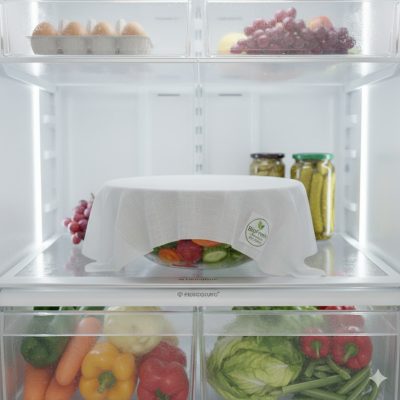
8. Skipping Food Wrap Increases Operational and Financial Costs
The financial impact of skipping food wrap is frequently underestimated because many of the costs are indirect, hidden within daily operations rather than appearing as a single expense line. However, over time, these hidden costs accumulate and significantly undermine operational efficiency and profitability.
When food is left unwrapped, businesses experience increased purchasing frequency as products spoil faster and must be replaced more often. This not only raises raw material costs but also increases logistics, storage, and supplier dependency.
At the same time, labor costs rise due to re-preparation and corrective actions. Staff must spend additional time remaking dishes, reprocessing ingredients, cleaning contaminated areas, and handling waste—time that could otherwise be spent on productive, revenue-generating tasks.
Operational disruptions caused by inspection failures further increase costs. Failed hygiene checks may require immediate corrective actions, emergency deep cleaning, staff retraining, or temporary production halts—all of which strain resources and schedules.
Perhaps most damaging is the loss of customer trust, which directly impacts revenue stability. Customers rarely return to businesses associated with poor food safety practices, even after issues are corrected.
Over time, skipping food wrap quietly erodes profit margins, destabilizes operations, and turns preventable hygiene lapses into long-term financial liabilities.
9. Skipping Food Wrap Creates Compliance and Audit Failures
Food safety standards such as HACCP, GMP, ISO 22000, and FDA guidelines are built on one core principle: food must be protected from contamination at every stage of handling, storage, and distribution. Skipping food wrap directly violates this principle.
When food is left uncovered, businesses expose themselves to:
-
Hygiene non-compliance findings, often classified as major violations
-
Failed internal and external audits, delaying certifications or renewals
-
Fines, penalties, or corrective action mandates
-
Temporary or permanent shutdowns in severe or repeated cases
Auditors and inspectors view uncovered food as a clear indicator of weak control systems and poor safety culture. Even if no illness has occurred, the absence of proper wrapping is enough to trigger enforcement actions.
In contrast, proper food wrapping demonstrates accountability, discipline, and professionalism. It signals that a business understands risk prevention, follows standard operating procedures, and prioritizes consumer safety.
10. Skipping Food Wrap Damages Brand Reputation and Consumer Trust
In the digital age, brand reputation is fragile. A single food safety incident—often caused by something as simple as skipping food wrap—can undo years of brand-building efforts within days.
When contamination incidents occur, businesses face:
-
Negative online reviews and ratings
-
Loss of repeat customers and referrals
-
Social media backlash and viral criticism
-
Long-term reputational damage that persists even after corrective actions
Consumers today associate food safety directly with brand values. A business perceived as careless with hygiene is seen as careless with customers’ health.
Once trust is broken, recovery is slow and expensive. Marketing campaigns, discounts, or rebranding efforts rarely compensate for the damage caused by preventable food safety failures.
Ultimately, food safety is brand safety, and skipping food wrap places that brand at unnecessary risk.
11. Skipping Food Wrap Is a Serious Risk in Home Kitchens Too
The risks of skipping food wrap are not limited to commercial environments. Home kitchens face many of the same contamination dynamics—often with fewer controls in place.
At home, skipping food wrap leads to:
-
Faster spoilage in refrigerators, even at low temperatures
-
Odor transfer between foods, degrading taste and quality
-
Repeated bacterial exposure during reheating, increasing health risks
Because home kitchens frequently store multiple foods together and rely on visual judgment rather than strict protocols, unwrapped food becomes a recurring contamination source.
Food wrap protects families by preserving freshness, preventing cross-contact, and reducing unnecessary waste. The same principles that apply in professional kitchens apply equally at home: protection first, consumption second.
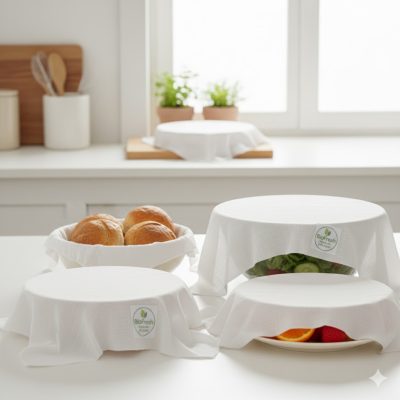
12. Best Practices to Eliminate Skipping Food Wrap
Eliminating the habit of skipping food wrap requires consistency, not complexity. Effective prevention strategies include:
-
Wrap food immediately after preparation, before exposure occurs
-
Use certified, food-grade food wrap suitable for the product type
-
Ensure tight, intact sealing with no gaps or tears
-
Store wrapped food at correct temperatures to slow microbial growth
-
Train staff and family members on hygiene habits, emphasizing why wrapping matters
The key is standardization. When food wrapping becomes a non-negotiable routine, contamination risks decrease dramatically.
13. Why Food Wrap Is One of the Most Cost-Effective Food Safety Solutions
Compared to the costs of recalls, lawsuits, brand damage, or shutdowns, food wrap is:
-
Affordable
-
Easy to implement
-
Highly effective
-
Scalable across operations of any size
Skipping food wrap is never a cost-saving strategy—it is a risk multiplier. Every time food is left uncovered, businesses gamble with health, reputation, and financial stability.
In food safety, the simplest controls are often the most powerful. And food wrap remains one of the strongest, most reliable barriers against preventable failure.
II. Conclusion: Skipping Food Wrap Is a Small Habit With Massive Consequences
In food safety, the most serious failures rarely come from dramatic mistakes. They come from small habits that are ignored, repeated, and normalized over time. Among them, skipping food wrap stands out as one of the most underestimated yet most dangerous practices.
As this article has demonstrated, skipping food wrap can increase food exposure to germs up to 3× faster, triggering a chain reaction of consequences that extend far beyond the kitchen or production floor. What begins as a minor shortcut can quickly escalate into contamination, foodborne illness outbreaks, excessive food waste, financial losses, compliance violations, and lasting reputational damage.
Food wrap is not a minor accessory—it is a foundational control measure in modern food safety systems. When applied correctly and consistently, food wrap provides:
-
A powerful physical barrier against germs, airborne contaminants, and environmental exposure
-
Effective protection from cross-contamination, one of the leading causes of food safety violations
-
Longer freshness and extended shelf life, preserving both quality and value
-
Cost savings and regulatory compliance, reducing waste, audit failures, and operational disruptions
In today’s regulatory environment and consumer-driven marketplace, food safety is no longer judged solely by outcomes—but by preventive discipline. Inspectors, partners, and customers expect businesses to demonstrate control, foresight, and responsibility at every stage of food handling.
👉 In food safety, small actions matter most.
👉 Never skip food wrap—because prevention is always cheaper than contamination.
Take the Next Step in Future-Proofing Your Health and Safety Protocols
As we move into 2025 and beyond, safety is no longer optional. It is a long-term commitment to life, health, trust, and operational resilience. Organizations that invest in prevention today are the ones that remain compliant, competitive, and trusted tomorrow.
At TM&DV 8688 Co., Ltd., we understand that effective protection requires more than awareness—it requires the right PPE solutions, implemented correctly and consistently. From food safety environments to industrial and public health settings, our comprehensive range of protective products is designed to help you build safer, more resilient operations.
📌 Contact us today to explore our full range of PPE solutions and discover how TM&DV 8688 Co., Ltd. can help protect your facility, your staff, and your visitors:
🌐 Website: 8688.com.vn
📞 Hotline: 0909 868 688
📧 Email: info@8688.vn
With the Anti-Epidemic Bodysuit and our complete suite of professional protective solutions, you can ensure that every environment you manage is safe, hygienic, compliant, and prepared for the challenges of the modern world.
Safety is not just a requirement—it is a promise.
And with TM&DV 8688, that promise is built into every layer of protection you choose.
