
Reusing oxygen masks can raise cross-infection risk by up to 3×. Learn the hidden dangers, real consequences, and why disposable oxygen masks are critical for patient safety.
1. Introduction: Why Reusing Oxygen Masks Is a Silent Infection Threat
In modern healthcare, infection control is not simply a guideline—it is a fundamental responsibility. Every medical device that comes into direct contact with a patient’s respiratory system must meet the highest standards of hygiene and safety. However, despite strict protocols, one dangerous and often underestimated practice continues to exist in some healthcare facilities: reusing oxygen masks.
At first glance, reusing oxygen masks may appear to be a practical or cost-saving solution, especially in high-demand environments such as emergency rooms, outpatient clinics, or temporary medical settings. Yet behind this seemingly harmless decision lies a serious and invisible threat. Scientific evidence and infection control data consistently show that reusing oxygen masks can increase cross-infection risk by up to three times, exposing patients, caregivers, and healthcare workers to preventable and potentially life-threatening infections.
Oxygen masks are designed to deliver breathable oxygen directly to the nose and mouth—two of the most sensitive entry points for pathogens. During use, masks are exposed to respiratory droplets, saliva, moisture, and exhaled microorganisms. This creates an ideal environment for bacteria and viruses to survive and multiply. When an oxygen mask is reused, even after basic cleaning, microscopic contaminants can remain trapped in the mask surface, tubing, and connectors, turning the device into a hidden carrier of infection.
What makes this risk particularly dangerous is its invisibility. Patients cannot see contamination, and healthcare staff may unknowingly trust disinfection methods that are insufficient for respiratory equipment. As a result, reusing oxygen masks can silently facilitate cross-infection between patients—especially those with weakened immune systems, chronic illnesses, or respiratory conditions—without immediate warning signs.
In an era where healthcare systems strive to minimize hospital-acquired infections and improve patient outcomes, continuing the practice of reusing oxygen masks contradicts the very principles of safe and responsible medical care. Understanding this risk is the first step toward eliminating a preventable source of infection and protecting every breath a patient takes.
2. How Reusing Oxygen Masks Increases Cross-Infection Risk
Reusing oxygen masks significantly compromises infection control by creating direct pathways for pathogens to move from one patient to another. Unlike many other medical devices, oxygen masks operate continuously in a warm, moist environment—conditions that are ideal for microbial survival. When reuse occurs, the mask no longer functions as a protective medical device but instead becomes a vector for disease transmission.

2.1 Reusing Oxygen Masks Enables Pathogen Transfer
When oxygen masks are reused, they can retain a wide range of harmful microorganisms, including bacteria, viruses, and fungi. During normal use, exhaled breath carries respiratory droplets, saliva particles, and biological contaminants that settle on both the inner and outer surfaces of the mask. Moisture accumulates quickly, creating a breeding ground that allows pathogens to remain active for extended periods.
Even when healthcare staff attempt basic cleaning or surface disinfection, complete decontamination is extremely difficult to achieve. Tiny pores, seams, and connectors within oxygen masks can trap microscopic pathogens that are invisible to the naked eye. As a result, reusing oxygen masks allows residual microorganisms to be transferred directly into the respiratory tract of the next patient, increasing the likelihood of infection.
This risk is especially severe in environments with high patient turnover, such as emergency departments, recovery rooms, and temporary care units. In these settings, time pressure often limits proper sterilization, further amplifying the danger of pathogen transmission through reused oxygen masks.
2.2 3× Higher Risk Compared to Disposable Oxygen Masks
Compared to single-use oxygen masks, reusing oxygen masks exposes patients to up to three times higher cross-infection risk. Disposable oxygen masks are designed to eliminate reuse entirely, ensuring that each patient receives a clean, uncontaminated device. In contrast, reused masks carry unknown biological histories, making every new use a potential infection event.
The risk becomes even more critical in intensive care units and emergency rooms, where patients often have compromised immune systems or existing respiratory conditions. For these vulnerable populations, even minimal exposure to pathogens can result in severe complications, prolonged hospitalization, or secondary infections.
By comparison, single-use oxygen masks provide a clear, measurable reduction in cross-infection risk, making them the safest and most responsible choice for modern healthcare facilities committed to patient safety.
3. The Hidden Dangers of Reusing Oxygen Masks in Healthcare Settings
The most alarming aspect of reusing oxygen masks is that the danger is often hidden rather than immediate. Unlike visible equipment failures, contamination caused by reuse does not trigger instant alarms. Instead, it quietly increases infection risk over time, affecting multiple patients and placing an invisible burden on healthcare systems. These hidden dangers frequently go unnoticed until infection rates rise or complications become severe.
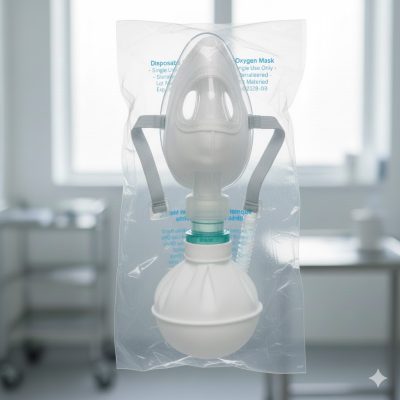
3.1 Increased Hospital-Acquired Infections (HAIs)
Reusing oxygen masks is a significant but often underestimated contributor to hospital-acquired infections (HAIs). Because oxygen masks deliver air directly into a patient’s respiratory system, any contamination present on the device can bypass many of the body’s natural defenses. This makes the lungs particularly vulnerable to infection.
Pathogens transferred through reused oxygen masks have been linked to respiratory tract infections, bacterial pneumonia, and viral cross-contamination. Once infection occurs, patients often experience worsening symptoms, delayed recovery, and the need for additional medical interventions. In severe cases, secondary infections can lead to intensive care admission or long-term respiratory damage.
From an operational perspective, increased HAIs caused by reusing oxygen masks result in longer hospital stays, higher antibiotic usage, and elevated treatment costs. These infections also place additional strain on healthcare staff and resources, reducing overall efficiency and compromising patient trust in the facility’s safety standards.
3.2 False Sense of Safety from Cleaning and Disinfection
One of the most dangerous misconceptions surrounding reusing oxygen masks is the belief that routine cleaning or disinfection makes reuse safe. While surface cleaning may remove visible residue, it cannot guarantee complete sterilization, especially for respiratory equipment with complex internal structures.
Oxygen masks contain internal channels, connectors, and textured surfaces that are extremely difficult to sanitize thoroughly. Microorganisms can survive in these hard-to-reach areas, protected from disinfectants and manual cleaning. Over time, repeated reuse further degrades the mask material, creating micro-tears and surface roughness that allow bacteria and viruses to cling more easily.
This combination of incomplete sterilization and material degradation creates a false sense of security among healthcare staff. Masks may appear clean, but invisible contamination remains, turning reused oxygen masks into unpredictable infection sources. In high-risk settings, relying on cleaning alone is not just ineffective—it is dangerous.
By contrast, single-use oxygen masks eliminate this uncertainty entirely. They remove human error, material fatigue, and sanitation variability from the equation, ensuring consistent infection control and safer respiratory care.
4. Why Disposable Oxygen Masks Are the Safer Choice
As healthcare systems continue to prioritize patient safety and infection prevention, the shift toward disposable oxygen masks has become not only a best practice but a necessity. Unlike reusable alternatives, single-use oxygen masks are specifically engineered to eliminate contamination risks at the source. By design, they remove uncertainty, human error, and sanitation gaps from respiratory care—making them the safest option in modern medical environments.
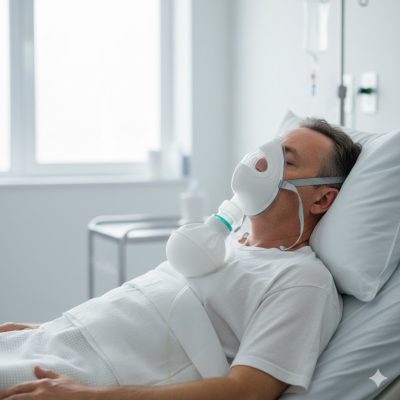
4.1 Single-Use Oxygen Masks Break the Infection Chain
Disposable oxygen masks are designed for one patient, one use, ensuring that no biological material is ever transferred between individuals. Once used, the mask is discarded, completely breaking the chain of infection that reusing oxygen masks so often enables.
This single-use model is especially critical for respiratory devices, where even minimal contamination can enter the lungs directly. By eliminating reuse, disposable oxygen masks prevent exposure to residual pathogens such as bacteria, viruses, and fungi that may survive traditional cleaning methods. The result is a significant reduction in cross-infection risk, particularly in high-risk areas like emergency departments, isolation wards, and intensive care units.
In addition, disposable oxygen masks ensure consistent performance and hygiene standards for every patient. There is no variability caused by improper cleaning, material fatigue, or incomplete disinfection. Each mask delivers oxygen in a clean, controlled manner—exactly as intended—helping healthcare professionals maintain reliable infection control without added complexity.
4.2 Alignment with Global Infection Control Standards
Using disposable oxygen masks also aligns healthcare facilities with global infection control standards and best practices. International health authorities and regulatory bodies increasingly emphasize the use of single-use respiratory devices as part of comprehensive infection prevention strategies.
By adopting disposable oxygen masks, healthcare providers demonstrate 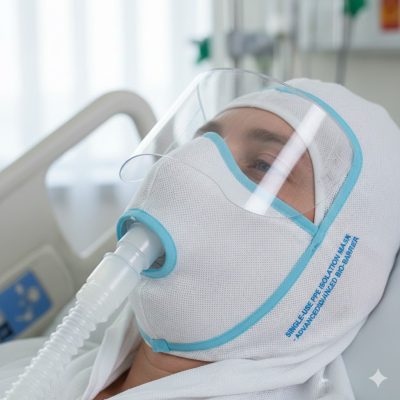 ompliance with modern safety guidelines, reducing the risk of audits, penalties, and regulatory violations. More importantly, this approach protects institutions from legal liability associated with preventable hospital-acquired infections linked to reused medical equipment.
Beyond compliance, disposable oxygen masks help reinforce a culture of safety and accountability. Patients and their families gain confidence knowing that respiratory equipment is never shared or reused. For healthcare facilities, this translates into stronger trust, improved reputation, and a clear commitment to patient-centered care.
In an environment where safety standards continue to evolve, disposable oxygen masks provide a future-proof solution—one that meets regulatory expectations while delivering the highest level of protection for patients and healthcare workers alike.
5. Cost vs. Consequence: Is Reusing Oxygen Masks Really Cheaper?
At first glance, reusing oxygen masks may appear to be a cost-saving measure—especially in facilities facing budget constraints or high patient volumes. However, when evaluated beyond the purchase price alone, this approach often proves to be a false economy. The true cost of reusing oxygen masks extends far beyond materials, affecting patient outcomes, operational efficiency, legal exposure, and institutional reputation.
When healthcare decision-makers weigh cost against consequence, it becomes clear that the financial risks of cross-infection far outweigh the perceived savings of reuse.
5.1 The Hidden Costs of Cross-Infection
Cross-infection caused by reusing oxygen masks generates a cascade of hidden expenses that are rarely accounted for in basic procurement calculations. Once a patient acquires a hospital-related infection, the cost impact multiplies rapidly.
These costs include additional diagnostic testing, extended antibiotic or antiviral treatment, prolonged hospital stays, and increased demand for isolation and nursing care. In severe cases, cross-infection can escalate into critical illness, requiring intensive care or long-term respiratory support—dramatically increasing overall treatment expenses.
Beyond direct medical costs, healthcare facilities also face reputational and legal consequences. Preventable infections linked to reused medical equipment can lead to patient complaints, regulatory scrutiny, and potential legal action. Even a single documented case of cross-infection can damage public trust and negatively affect accreditation outcomes.
In this context, the financial burden of one cross-infection incident often exceeds the cost of supplying disposable oxygen masks for dozens—or even hundreds—of patients.
5.2 Disposable Oxygen Masks Improve Long-Term Efficiency
Disposable oxygen masks offer measurable efficiency advantages that directly translate into long-term cost savings. By eliminating the need for cleaning, disinfection, inspection, and tracking, single-use masks significantly reduce labor requirements and operational complexity.
Healthcare staff spend less time managing reusable equipment and more time focused on patient care. There is also no downtime associated with sterilization cycles or equipment availability, ensuring that oxygen masks are always ready for immediate use—an essential benefit in emergency and high-turnover settings.
Additionally, disposable oxygen masks remove the risk of material degradation and performance failure caused by repeated reuse. This consistency improves workflow reliability and reduces the likelihood of clinical interruptions or safety incidents.
When viewed from a total cost-of-ownership perspective, disposable oxygen masks deliver greater financial predictability, lower infection-related risk, and higher operational efficiency. Rather than an added expense, they represent a strategic investment in safety, quality, and sustainable healthcare operations.
6. Best Practices to Eliminate Risks from Reusing Oxygen Masks
Eliminating the risks associated with reusing oxygen masks requires more than simply changing equipment—it demands a systematic approach that combines policy, training, and accountability. Healthcare facilities that successfully reduce cross-infection do so by embedding best practices into daily operations, ensuring that safety is not optional but standard.
6.1 What Healthcare Facilities Should Do
The most effective way to eliminate cross-infection risks is to stop reusing oxygen masks entirely and transition to certified disposable alternatives. This decision removes a major infection pathway and simplifies compliance with infection control standards.
Healthcare facilities should begin by updating internal policies to clearly state that oxygen masks are single-use devices. These policies must be supported by reliable supply chains to ensure consistent availability, preventing staff from reverting to reuse during shortages or high-demand periods.
Equally important is staff training. Clinical and support personnel should be trained on correct usage, disposal procedures, and the rationale behind single-use oxygen masks. When healthcare workers understand not just what to do, but why it matters, adherence improves significantly.
Facilities should also enforce strict PPE protocols through routine audits and monitoring. Clear labeling, waste management systems, and accountability measures help ensure that disposable oxygen masks are used correctly and discarded after each patient, without exception.
6.2 Education and Awareness
Education plays a critical role in eliminating unsafe practices such as reusing oxygen masks. Many compliance failures stem not from negligence, but from a lack of awareness about the true risks of cross-infection.
Regular training sessions, visual reminders, and infection control briefings help reinforce the message that reusing oxygen masks can increase infection risk by up to three times. Sharing real-world examples and infection data makes the risk tangible, encouraging staff to prioritize patient safety in every interaction.
Creating a culture of safety also empowers healthcare workers to speak up when protocols are not followed. When staff feel supported in reporting unsafe practices, facilities can address risks proactively rather than reactively.
By combining clear policies, practical training, and ongoing education, healthcare facilities can eliminate the dangers of reusing oxygen masks, protect patients and staff, and uphold the highest standards of respiratory care.
7. Conclusion: Reusing Oxygen Masks Is a Risk No Facility Should Take
The evidence is clear and consistent: reusing oxygen masks can increase cross-infection risk by up to three times, creating unnecessary danger for patients, healthcare workers, and healthcare systems as a whole. What may appear to be a minor operational shortcut can quickly escalate into serious health consequences, prolonged hospital stays, increased treatment costs, and lasting reputational damage.
In today’s healthcare landscape—where infection prevention, regulatory compliance, and patient trust are critical—there is no justification for continuing practices that compromise safety. Oxygen masks are not just accessories; they are life-support devices that interact directly with the respiratory system. Reusing them undermines the very foundation of infection control and contradicts modern standards of responsible care.
Disposable oxygen masks represent the safest, most reliable solution. They eliminate uncertainty, prevent cross-contamination, simplify workflows, and ensure that every patient receives clean, hygienic respiratory support. For healthcare facilities committed to quality and accountability, transitioning to single-use oxygen masks is not merely an upgrade—it is an essential step toward safer, more resilient operations.
At TM&DV 8688 Co., Ltd., we understand that effective protection requires more than awareness—it demands the right PPE solutions, implemented correctly and used consistently. With years of experience serving healthcare, food safety, industrial, and public health sectors, we provide comprehensive protective products designed to meet real-world challenges and evolving safety standards.
From disposable medical equipment to professional protective wear, our solutions help organizations reduce risk, improve compliance, and protect every individual who enters their facilities. Whether you are managing a hospital, factory, laboratory, or public-facing environment, we are committed to supporting safer, cleaner, and more sustainable operations.
📌 Contact us today to explore our full range of professional PPE solutions and discover how TM&DV 8688 Co., Ltd. can help safeguard your facility, your workforce, and your visitors:
🌐 Website: 8688.com.vn
📞 Hotline: 0909 868 688
📧 Email: info@8688.vn
With our Anti-Epidemic Bodysuit and a complete portfolio of high-quality protective solutions, you can ensure that every environment you manage is safe, hygienic, compliant, and prepared for the demands of the modern world.
Because when it comes to health and safety, there is no room for compromise.
