
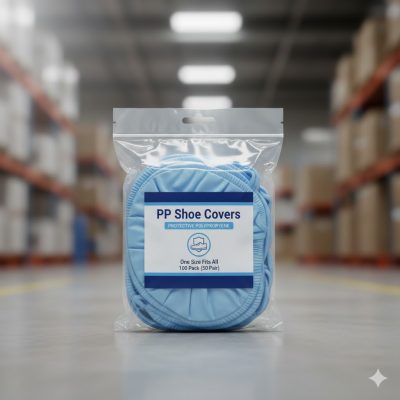
 In industrial and medical environments, protective equipment plays a crucial role in maintaining hygiene standards and workplace safety. Among the essential protective items, PP Shoe Covers have become indispensable across healthcare facilities, cleanrooms, food processing plants, and construction sites. However, not all protective footwear covers are created equal, and choosing low-quality products can compromise safety protocols while wasting valuable resources.
The market is flooded with various grades of polypropylene shoe covers, making it challenging for procurement managers and safety officers to distinguish premium products from inferior alternatives. Understanding how to quickly assess the quality of PP Shoe Covers can save organizations from costly mistakes, potential contamination issues, and compliance violations. This comprehensive guide will equip you with the knowledge to identify substandard products in less than 30 seconds, ensuring that your workplace maintains the highest standards of protection.
Understanding PP Shoe Covers and Their Critical Role
Polypropylene shoe covers serve as a barrier between footwear and sensitive environments, preventing the transfer of contaminants, dirt, and potentially hazardous materials. These disposable protective accessories are manufactured from polypropylene, a thermoplastic polymer known for its lightweight properties, chemical resistance, and cost-effectiveness. The quality of PP Shoe Covers directly impacts their effectiveness in preventing cross-contamination and maintaining sterile or clean environments.
High-quality polypropylene shoe covers provide reliable protection through proper material density, secure elastic bands, and appropriate sizing that accommodates various footwear types. They must withstand normal walking and movement without tearing, slipping, or compromising the protected area. In medical settings, pharmaceutical manufacturing, electronics assembly, and laboratory environments, the integrity of PP Shoe Covers becomes a critical factor in maintaining compliance with industry regulations and safety standards.
The consequences of using inferior protective footwear covers extend beyond simple inconvenience. Poor-quality products can tear during use, exposing clean areas to contamination, create slip hazards due to inadequate grip, and fail to provide complete coverage, thereby negating the entire purpose of their use. Organizations that unknowingly purchase substandard PP Shoe Covers may face increased costs through higher replacement rates, potential regulatory violations, and compromised operational efficiency.
Sign One: Inadequate Material Thickness in PP Shoe Covers
The first and most critical indicator of low-quality PP Shoe Covers is insufficient material thickness. Premium polypropylene shoe covers typically feature a material density between 30 and 45 grams per square meter, providing adequate strength while maintaining flexibility. When examining a product, hold it up to a light source and observe how much light passes through the material. Excessive light penetration indicates dangerously thin material that will likely tear during normal use.
Substandard manufacturers often reduce material thickness to cut production costs, creating PP Shoe Covers that feel flimsy and insubstantial when handled. You can perform a quick tactile test by gently stretching a small section of the material between your fingers. Quality polypropylene should demonstrate moderate resistance and spring back to its original shape when released. If the material stretches excessively, feels paper-thin, or shows stress marks immediately, these are clear warning signs of inferior construction.
The material thickness directly correlates with the durability and protective capacity of disposable shoe covers. Thin, low-grade polypropylene cannot withstand the friction created by walking, especially on rough surfaces or during extended wear periods. Workers forced to use inadequate PP Shoe Covers often experience frustration as products tear at the heel or sole, requiring frequent replacements that disrupt workflow and increase consumption rates beyond reasonable projections.
Sign Two: Weak or Poorly Constructed Elastic Bands
The elastic band system represents the second critical quality checkpoint when evaluating PP Shoe Covers. This component determines how securely the protective cover stays attached to footwear during movement and activity. High-quality products incorporate durable elastic with appropriate tension that creates a snug fit around the ankle or calf without causing discomfort or circulation restriction.
Inspect the elastic attachment points by gently tugging on the band to assess its security. In inferior PP Shoe Covers, the elastic often separates from the polypropylene material with minimal force, indicating poor bonding techniques or inadequate reinforcement. The elastic itself should demonstrate consistent width and thickness throughout its length, with no visible thin spots or irregularities that suggest manufacturing defects or material degradation.
Poor-quality elastic bands typically exhibit several telltale characteristics including excessive looseness that fails to secure the cover properly, brittle texture that suggests old or degraded rubber, uneven tension that creates gaps in coverage, or attachment points that show signs of inadequate bonding or stitching. When PP Shoe Covers feature substandard elastic components, users experience constant slipping, bunching, and eventual detachment, rendering the protective equipment ineffective and potentially creating trip hazards in the workplace.
Sign Three: Inconsistent Sizing and Poor Fit
The third warning sign of low-quality PP Shoe Covers manifests in inconsistent sizing and inadequate fit specifications. Premium manufacturers maintain strict quality control processes that ensure each product meets declared size standards, providing predictable coverage for different footwear types. When examining a batch of shoe covers, significant variations in dimensions between supposedly identical products indicate poor manufacturing controls and unreliable quality standards.
Test the sizing consistency by laying several PP Shoe Covers side by side and comparing their length, width, and overall proportions. Quality products should appear virtually identical, with only minimal variations that fall within acceptable manufacturing tolerances. Significant discrepancies in size, shape, or construction between items from the same package suggest that the manufacturer lacks adequate quality assurance protocols.
Proper fit is essential for effective contamination control and user safety. Undersized PP Shoe Covers fail to provide complete coverage, leaving portions of footwear exposed and defeating the purpose of the protective equipment. Conversely, oversized covers create excess material that bunches around the feet, creating trip hazards and allowing contamination to accumulate in folds and creases. The ideal polypropylene shoe cover should accommodate standard footwear with adequate coverage extending several inches above the ankle, secured firmly without excessive material gathering at any point.
Sign Four: Strong Chemical Odor from PP Shoe Covers
The fourth quality indicator involves the presence of strong, unpleasant chemical odors emanating from PP Shoe Covers. While polypropylene itself is generally odorless or carries only a faint plastic smell, low-quality products often emit pungent chemical scents that can indicate the presence of substandard materials, improper processing, or contamination during manufacturing. This simple smell test can be performed immediately upon opening the product packaging and requires no special equipment or expertise.
Bring the PP Shoe Covers close to your nose and take a careful sniff of the material. High-quality polypropylene products should produce little to no odor, or perhaps a very mild, neutral plastic scent that quickly dissipates. Strong chemical smells, particularly those reminiscent of solvents, petroleum products, or industrial chemicals, suggest that the manufacturer has used recycled materials of questionable origin, added chemical additives to mask material deficiencies, or failed to properly purge processing chemicals from the finished product.
The presence of strong odors in protective footwear covers raises concerns beyond simple unpleasantness. Chemical residues can cause skin irritation, allergic reactions, or respiratory discomfort for users, particularly those with sensitivities or pre-existing conditions. In sensitive environments like food processing facilities or healthcare settings, chemical-laden PP Shoe Covers may introduce unwanted contaminants that compromise product integrity or patient safety. Organizations should reject any protective equipment that produces concerning odors, as this characteristic strongly correlates with other quality deficiencies and potential health hazards.
Sign Five: Obvious Defects and Poor Manufacturing Quality
The final critical sign of inferior PP Shoe Covers involves visible manufacturing defects and overall poor construction quality. Even a cursory 30-second examination should reveal obvious flaws in substandard products, including holes or tears in the material, irregular edges or ragged seams, uneven coloring or material density, loose threads or inadequate stitching at stress points, and poor bonding at elastic attachment areas. These defects indicate that the manufacturer lacks proper quality control systems and may be cutting corners throughout the production process.
Carefully examine several PP Shoe Covers from a package, paying particular attention to high-stress areas like the heel, toe, and elastic attachment points. Quality manufacturers implement multiple inspection stages to identify and remove defective products before packaging, ensuring that customers receive consistently reliable protective equipment. When you encounter packages containing multiple flawed items, this pattern suggests systemic manufacturing problems rather than isolated incidents.
The presence of manufacturing defects in PP Shoe Covers represents a false economy for organizations. While defective products may carry attractive initial pricing, the true cost becomes apparent through increased replacement rates, potential safety incidents, and compromised protection protocols. Workers confronted with obviously flawed protective equipment may lose confidence in safety measures generally, leading to reduced compliance with other protective protocols. Smart procurement decisions prioritize consistent quality over minimal upfront costs, recognizing that reliable PP Shoe Covers deliver better value through dependable performance and lower total ownership costs.
The Real Cost of Low-Quality PP Shoe Covers
Organizations that unknowingly purchase inferior polypropylene shoe covers face consequences extending far beyond the immediate product failures. The cumulative impact of low-quality protective equipment affects operational efficiency, safety compliance, and overall cost management in ways that may not be immediately apparent but become increasingly significant over time.
First, consider the increased consumption rates associated with substandard PP Shoe Covers. When products tear during normal use, workers must use multiple pairs to complete a single task or shift, potentially tripling or quadrupling the expected consumption rate. This increased usage negates any perceived savings from lower unit costs, ultimately making cheap products more expensive than premium alternatives. Additionally, frequent replacement interrupts workflow, reducing productivity as workers must repeatedly stop to change damaged protective equipment.
Second, poor-quality protective footwear covers compromise the contamination control measures that justify their use in the first place. When PP Shoe Covers tear or fail to provide adequate coverage, they allow contaminants to enter controlled environments, potentially leading to product recalls, failed inspections, or regulatory violations. In healthcare settings, compromised protective equipment can contribute to healthcare-associated infections, exposing organizations to liability and reputational damage that far exceeds any equipment cost savings. This risk is consistent with guidance from the U.S. Centers for Disease Control and Prevention (CDC), which emphasizes that personal protective equipment must maintain its integrity throughout use to provide effective protection and prevent contamination.
Third, inferior products create safety hazards through their unreliability. Torn or improperly fitting PP Shoe Covers can cause trips and falls, oversized covers accumulate liquids and debris that transfer into clean areas, and elastic failures create unexpected hazards during critical procedures. Organizations committed to workplace safety cannot afford to compromise on the quality of basic protective equipment, as doing so undermines the entire safety culture and exposes workers to preventable risks.
How to Source Reliable PP Shoe Covers

Once you understand how to identify low-quality polypropylene shoe covers, the next step involves establishing reliable sourcing practices that consistently deliver quality products. Successful procurement requires more than simply finding the lowest price; it demands partnerships with manufacturers and suppliers who demonstrate commitment to quality, consistency, and customer service.
Begin by requesting samples from potential suppliers before committing to large orders. Apply the five quality tests outlined in this guide to evaluate sample products thoroughly. Reputable manufacturers willingly provide samples and specifications, as they understand that informed customers make the best long-term partners. Be wary of suppliers who resist sample requests or cannot provide detailed product specifications, as this reluctance often indicates quality concerns they prefer to hide until after purchase commitments are made.
Establish clear quality standards and communicate these expectations explicitly to your suppliers. Specify requirements for material thickness, elastic strength, sizing consistency, odor standards, and defect rates. Quality-focused manufacturers appreciate detailed specifications because they demonstrate that you understand the product and are serious about performance standards. Include provisions for quality audits and batch testing in your procurement agreements, ensuring that you maintain the right to verify product quality throughout the relationship.
Consider the total cost of ownership rather than focusing exclusively on unit pricing when evaluating PP Shoe Covers suppliers. Calculate expected consumption rates based on realistic durability assessments, factor in the costs of potential contamination incidents or safety violations, and account for the productivity impacts of frequent product changes. When viewed through this comprehensive lens, premium-quality polypropylene shoe covers often represent the most economical choice despite higher upfront costs.
Industry Applications and Specific Requirements
Different industries impose varying demands on PP Shoe Covers, and understanding these specific requirements helps organizations select products optimized for their particular applications. Medical facilities require shoe covers that meet healthcare standards for contamination control and may need fluid-resistant properties to protect against blood and bodily fluid exposure. The polypropylene material must be sufficiently durable to withstand the rigors of busy hospital environments while maintaining integrity throughout extended wear periods.
Cleanroom environments in electronics manufacturing and pharmaceutical production demand PP Shoe Covers with extremely low particulate shedding characteristics. These specialized applications cannot tolerate even minimal material degradation that releases particles into controlled atmospheres. Cleanroom-grade polypropylene shoe covers undergo additional processing and testing to verify their suitability for sensitive environments, commanding premium prices that reflect their specialized manufacturing requirements.
Food processing facilities need PP Shoe Covers that comply with food safety regulations while providing reliable protection against contamination from outside sources. The shoe covers must not introduce any chemicals or materials that could compromise food products, requiring manufacturers to use virgin polypropylene and avoid certain additives or processing chemicals. Additionally, food industry applications often prefer specific colors that help maintain visual contamination control systems, most commonly choosing blue shoe covers that provide high visibility against typical floor colors.
Construction and renovation projects utilize PP Shoe Covers primarily to protect finished surfaces from dirt and debris tracked from work areas. While these applications may tolerate somewhat less stringent quality standards than medical or cleanroom uses, the shoe covers still must provide adequate durability to survive rough construction environments. Construction-grade polypropylene products often feature reinforced soles or skid-resistant treatments that enhance safety on smooth finished floors.
Making Informed Decisions About Protective Equipment
The ability to quickly assess PP Shoe Covers quality empowers procurement professionals, safety managers, and facility supervisors to make informed decisions that protect their organizations from the risks associated with inferior products. The five-sign evaluation method outlined in this guide requires no specialized equipment or extensive training, making it accessible to anyone responsible for selecting protective footwear covers.
Incorporate these quality assessment techniques into your standard procurement procedures, ensuring that every shipment receives at least a basic inspection before distribution to end users. Even organizations with established supplier relationships benefit from ongoing quality verification, as manufacturing standards can drift over time or suppliers may substitute materials without notification. Regular quality checks demonstrate your commitment to excellence and remind suppliers that you actively monitor the products you receive.
Educate end users about quality indicators so they can provide feedback when they encounter substandard PP Shoe Covers. Workers who understand what constitutes acceptable product quality become valuable partners in maintaining standards, alerting management to problems before they escalate into major issues. Create simple reporting mechanisms that allow employees to document product failures or quality concerns, ensuring that this valuable feedback informs future procurement decisions.
Document your quality standards and assessment procedures to create institutional knowledge that survives personnel changes and organizational restructuring. Written protocols ensure consistency across different locations and purchasing agents, preventing situations where quality standards vary depending on who handles procurement. These documented procedures also provide valuable evidence of due diligence should quality issues contribute to incidents or regulatory inquiries.
Conclusion: Choosing Quality PP Shoe Covers
Identifying low-quality PP shoe covers takes about 30 seconds by checking five key factors: material thickness, elastic band quality, sizing consistency, unusual odors, and visible manufacturing defects. Proper evaluation helps prevent safety risks, contamination issues, and hidden costs caused by inferior products.
Prioritizing high-quality PPE demonstrates an organization’s commitment to worker safety, regulatory compliance, and operational efficiency. When selecting PP shoe covers, companies should request samples, verify specifications, and maintain ongoing quality control.
8688.vn supplies high-quality PP shoe covers that meet professional standards, featuring durable materials, secure elastic bands, consistent sizing, and strict quality inspections—ensuring reliable protection and peace of mind for your facility.
