
Skipping Non-Woven Liners can increase surface damage risk by up to 3×. Discover why Non-Woven Liners are critical for protecting floors, equipment, and sensitive surfaces in industrial and commercial environments.
I.Introduction: The Hidden Cost of Skipping Non-Woven Liners
In many industrial, commercial, and hygiene-controlled environments, surface protection remains one of the most underestimated components of operational safety and cost control. Organizations often allocate substantial budgets to high-grade flooring, precision equipment, and premium surface finishes, assuming that durability alone is sufficient to withstand daily wear. However, this assumption frequently overlooks a critical protective layer—Non-Woven Liners.
What appears to be a minor omission can quietly evolve into a major operational liability. Skipping Non-Woven Liners can trigger a 3× surge in surface damage, accelerating abrasion, discoloration, coating breakdown, and micro-fractures that would otherwise be preventable. Over time, these damages translate into unexpected repair costs, increased maintenance cycles, workflow interruptions, and heightened compliance risks, especially in environments governed by hygiene or safety regulations.
Non-Woven Liners function as a first-line defensive barrier, engineered to absorb and distribute friction, capture moisture, and trap debris before it reaches vulnerable surfaces. By reducing direct contact between foot traffic, equipment movement, and finished materials, they significantly slow the rate of wear and preserve surface integrity. When this protective layer is absent, surfaces are exposed to repetitive mechanical stress and environmental contaminants, causing damage to compound with each passing shift.
More importantly, surface degradation rarely occurs in isolation. Once abrasion or moisture intrusion begins, it creates secondary risks—slip hazards, contamination pathways, aesthetic deterioration, and shortened asset lifespan. In high-traffic or controlled environments, these risks multiply rapidly, turning what seemed like a cost-saving decision into a long-term financial and operational burden.
In an era where efficiency, safety, and compliance are tightly interconnected, Non-Woven Liners are no longer optional accessories. They represent a proactive investment in surface protection, cost containment, and operational continuity—one that prevents small oversights from escalating into large-scale damage.
II. What Are Non-Woven Liners and Why Are They Critical?
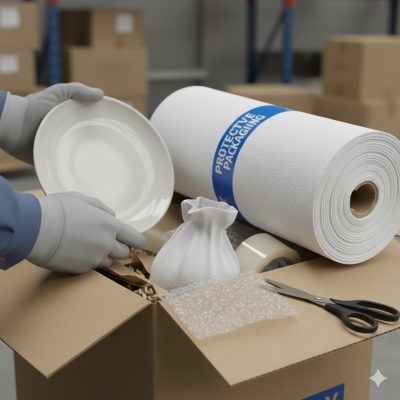
Non-Woven Liners are advanced protective sheets engineered from bonded fiber structures such as polypropylene (PP), polyester (PET), or multi-layer composite materials. Unlike woven or film-based alternatives, these liners are produced through thermal, chemical, or mechanical bonding processes that create a uniform, flexible, and highly resilient surface protection layer.
Their primary purpose is to act as a buffer zone between vulnerable surfaces and external stressors, safeguarding floors, equipment, workstations, and finished materials from continuous operational wear. In industrial, commercial, and hygiene-controlled environments, Non-Woven Liners are specifically designed to shield surfaces from:
-
Mechanical abrasion caused by foot traffic, carts, pallets, and mobile equipment
-
Moisture penetration from cleaning processes, condensation, or environmental humidity
-
Dust and particle contamination that can scratch, stain, or compromise surface integrity
-
Repetitive movement and pressure loads generated by daily operations
In contrast, the fiber matrix of Non-Woven Liners spreads impact and friction across a wider area, reducing peak pressure and minimizing micro-damage. This pressure-distribution capability is especially vital in high-traffic zones, where even minor surface wear can quickly escalate into visible and costly deterioration.
Beyond physical protection, Non-Woven Liners also contribute to operational safety and hygiene control. By trapping debris and absorbing moisture at the point of contact, they help reduce slip risks, limit cross-contamination, and maintain cleaner working environments—factors that are increasingly critical for regulatory compliance and brand reputation.
In essence, Non-Woven Liners are not simply passive coverings. They are engineered protection systems that preserve surface quality, extend asset lifespan, and support efficient, uninterrupted operations. Without them, surfaces are left exposed to cumulative damage that compounds silently—until repair or replacement becomes unavoidable.
III. How Skipping Non-Woven Liners Leads to a 3× Increase in Surface Damage
The impact of skipping Non-Woven Liners is rarely immediate or dramatic. Instead, damage accumulates silently through everyday operations until surfaces reach a tipping point where repairs, refinishing, or full replacement become unavoidable. This is why facilities that omit Non-Woven Liners often experience up to three times more surface damage over time compared to those that implement consistent surface protection.

Below are the three primary mechanisms through which this damage escalates.
1. Increased Friction Without Non-Woven Liners
When Non-Woven Liners are not in place, surfaces are subjected to direct, repeated contact with shoes, carts, pallets, and mobile equipment. Each movement creates localized high-friction zones, particularly in turning points, loading areas, and frequently accessed pathways.
Over time, this uncontrolled friction:
-
Accelerates surface wear
-
Causes visible scuff marks and scratches
-
Generates micro-cracks within coatings or finishes
These micro-cracks may be invisible at first, but they weaken the surface structure, allowing future damage to spread faster and deeper. In contrast, Non-Woven Liners absorb friction and distribute mechanical stress evenly, preventing concentrated pressure from breaking down protective layers.
Multiple industrial facility assessments have shown that surfaces without Non-Woven Liners can suffer up to three times more abrasion damage compared to areas protected by non-woven barrier systems—especially in high-use zones.
2. Moisture & Contaminant Exposure
Moisture is one of the most underestimated contributors to surface degradation. Without Non-Woven Liners, water from shoes, cleaning routines, spills, or ambient humidity comes into direct contact with floors and work surfaces.
This exposure often leads to:
-
Persistent staining and discoloration
-
Slippery conditions that increase accident risk
-
Gradual breakdown of surface coatings, sealants, or finishes
Once moisture penetrates micro-cracks caused by friction, damage accelerates exponentially. Contaminants such as dust, oils, or fine particles become trapped within the surface, compounding both wear and hygiene risks.
Non-Woven Liners are designed to absorb, retain, and isolate moisture and contaminants at the point of contact, preventing them from spreading across larger areas. This moisture-control function plays a critical role in reducing long-term structural and aesthetic damage.
3. Compounded Damage in High-Traffic Zones
The effects of skipping Non-Woven Liners are magnified in high-traffic environments, where repeated movement intensifies wear with every step or pass of equipment. These areas include:
-
Production floors with constant worker and equipment movement
-
Warehouses handling heavy carts and pallet traffic
-
Gyms exposed to sweat, moisture, and continuous footfall
-
Cleanrooms where particle control is essential
-
Commercial entrances subjected to dirt, water, and peak traffic loads
In such zones, damage does not progress linearly—it compounds. Each instance of abrasion or moisture exposure weakens the surface, making it increasingly vulnerable to the next. As a result, facilities that skip Non-Woven Liners often face shortened maintenance cycles, frequent repairs, and rapidly escalating costs.
By contrast, implementing Non-Woven Liners in high-traffic areas acts as a damage buffer, dramatically slowing deterioration and stabilizing long-term maintenance budgets.
A threefold increase in surface damage is not just a maintenance issue—it is a strategic operational risk. It affects safety, compliance, visual standards, and asset lifespan. What starts as minor surface wear can quickly evolve into downtime, regulatory concerns, and unplanned capital expenses.
Skipping Non-Woven Liners may appear cost-effective in the short term, but the long-term consequences consistently outweigh the initial savings.
IV. Industries Most at Risk Without Non-Woven Liners
While skipping Non-Woven Liners poses risks in nearly all operational environments, certain industries are significantly more vulnerable due to high traffic density, strict hygiene requirements, or the presence of sensitive surfaces. In these sectors, the absence of Non-Woven Liners not only accelerates surface damage but also undermines safety, efficiency, and regulatory compliance.
Manufacturing and assembly facilities rely on durable yet precisely finished surfaces to support continuous operations. Production floors, painted safety zones, workstations, and equipment platforms are constantly exposed to rolling carts, pallet jacks, forklifts, and repetitive foot traffic.
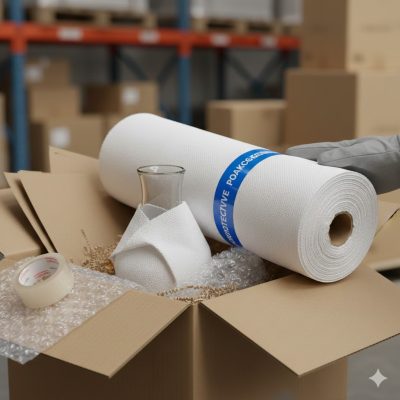
When Non-Woven Liners are absent, these surfaces experience:
-
Accelerated abrasion from heavy or rolling equipment
-
Premature wear of painted lines and safety markings
-
Micro-damage that spreads under constant vibration and load
Over time, even high-grade industrial flooring can degrade rapidly, leading to uneven surfaces, peeling coatings, and increased maintenance shutdowns. Non-Woven Liners act as a shock-absorbing and friction-reducing layer, protecting both the surface and the continuity of production.
Gyms and fitness centers are uniquely exposed to extreme foot traffic combined with constant moisture. Sweat, water from cleaning routines, and outdoor debris are tracked across floors throughout the day, placing enormous stress on flooring materials.
Without Non-Woven Liners, gym floors are prone to:
-
Rapid breakdown of surface finishes
-
Persistent stains and discoloration
-
Slippery conditions that increase injury risk
Studies and facility reports indicate that flooring finishes can deteriorate up to three times faster in gyms that do not implement adequate liner-based surface protection. Non-Woven Liners help absorb moisture, trap debris, and reduce friction—extending floor lifespan while supporting member safety and facility aesthetics.
In healthcare facilities and cleanrooms, surface protection is inseparable from hygiene and contamination control. Floors, corridors, and work surfaces must remain intact and easy to sanitize to meet strict regulatory standards.
Skipping Non-Woven Liners in these environments can lead to:
-
Surface micro-damage that harbors contaminants
-
Increased risk of cross-contamination between zones
-
Compromised cleaning effectiveness
Even minor surface deterioration can become a contamination pathway, threatening patient safety and compliance. Non-Woven Liners provide a controlled barrier that protects surfaces while supporting infection prevention protocols and cleanroom integrity.
Across manufacturing, fitness, and healthcare sectors, surface damage has cascading effects—impacting safety, productivity, and reputation. Once deterioration begins, costs escalate rapidly through repairs, downtime, and regulatory exposure.
For high-risk industries, Non-Woven Liners are not a convenience—they are a critical operational safeguard that preserves surfaces, protects people, and ensures long-term compliance.
V. How to Choose the Right Non-Woven Liners
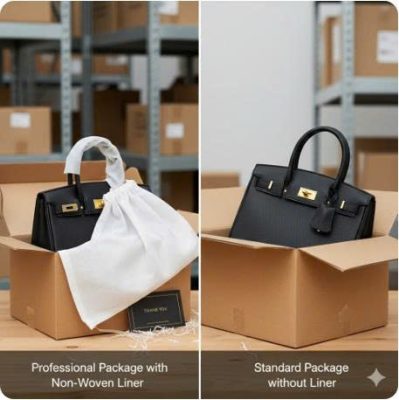
Selecting the right Non-Woven Liners is not simply a purchasing decision—it is a strategic investment in surface protection, safety, and long-term cost control. Different environments place different demands on liners, and choosing an unsuitable option can reduce effectiveness or create unnecessary expense. To maximize protection and return on investment, several key factors must be carefully evaluated.
1. Material Type: PP, PET, SMS, or Composite
The material composition of Non-Woven Liners directly determines their performance.
-
PP (Polypropylene) liners are lightweight, cost-effective, and suitable for general surface protection with moderate traffic.
-
PET (Polyester) liners offer higher strength and abrasion resistance, making them ideal for industrial or heavy-use environments.
-
SMS (Spunbond–Meltblown–Spunbond) liners provide a balance of durability, breathability, and particle control—commonly used in hygiene-sensitive areas.
-
Composite Non-Woven Liners combine multiple layers to deliver enhanced moisture resistance, strength, and longevity.
Choosing the correct material ensures the liner performs as intended under real operating conditions.
2. Thickness & GSM for Impact Resistance
Thickness and GSM (grams per square meter) play a critical role in how well Non-Woven Liners absorb pressure and impact. Higher GSM liners distribute load more effectively, reducing localized stress that leads to dents, scratches, and coating failure.
-
Low GSM: Suitable for light traffic or short-term protection
-
Medium GSM: Ideal for commercial and mixed-use environments
-
High GSM: Required for heavy equipment, rolling loads, and high-impact zones
Matching GSM to traffic intensity prevents under-protection and premature liner failure.
3. Absorbency Level
In environments exposed to moisture—such as gyms, healthcare facilities, or commercial entrances—absorbency is essential. Effective Non-Woven Liners capture liquids at the surface, preventing spread and penetration into vulnerable flooring materials.
High-absorbency liners reduce:
-
Moisture-related surface degradation
-
Slip hazards
-
Cleaning frequency and downtime
4. Slip-Resistance & Surface Stability
A liner that shifts or slides can introduce safety risks. Slip-resistant Non-Woven Liners are designed to remain stable under foot traffic and equipment movement, maintaining consistent surface coverage.
Slip resistance is especially important in:
-
High-traffic corridors
-
Wet or humidity-prone areas
-
Safety-critical environments
5. Single-Use vs Reusable Needs
Operational requirements should guide the decision between single-use and reusable Non-Woven Liners.
-
Single-use liners support hygiene control and rapid replacement
-
Reusable liners offer cost efficiency for long-term, controlled environments
Balancing hygiene demands, budget, and operational convenience ensures optimal liner selection.
The right Non-Woven Liner prevents damage before it starts, significantly reducing repair costs, extending surface lifespan, and stabilizing maintenance budgets. In most cases, the cost of proper liner selection is a fraction of what surface repairs or replacements would require.
In short, choosing the right Non-Woven Liners is not about spending more—it’s about spending smarter.
VI. The Real Cost of Skipping Non-Woven Liners
At first glance, skipping Non-Woven Liners may appear to be a practical cost-saving measure—especially in large facilities where every line item is scrutinized. However, this short-term thinking often masks a series of long-term financial and operational consequences that far exceed the initial savings.
When Non-Woven Liners are omitted, surfaces are exposed to uncontrolled wear, moisture intrusion, and contamination from the very first day. What begins as minor scuffing or discoloration quickly escalates into structural degradation, forcing facilities into reactive maintenance rather than proactive protection.
Without Non-Woven Liners, repair budgets increase rapidly due to:
-
More frequent surface refinishing
-
Premature replacement of flooring or coatings
-
Emergency maintenance to address safety issues
Facilities consistently report that repair and restoration costs exceed the original liner investment by 3–5× within the first year alone—a clear indication that skipping liners shifts costs rather than eliminates them.
Surface repairs rarely occur without disruption. Maintenance activities often require:
-
Partial or full area shutdowns
-
Rerouting of workflows
-
Reduced operational efficiency
This downtime translates into lost productivity, delayed schedules, and missed revenue opportunities, particularly in manufacturing, healthcare, and commercial facilities where continuity is critical.
Floors, coatings, and surface finishes are designed to last for years—but only when properly protected. Skipping Non-Woven Liners accelerates wear cycles, reducing asset lifespan and forcing capital reinvestment far earlier than planned.
Instead of maximizing the value of existing infrastructure, organizations are compelled to divert funds toward replacements that could have been avoided with basic surface protection.
Surface degradation is closely linked to safety hazards. Worn or uneven surfaces increase:
-
Slip and fall incidents
-
Equipment instability
-
Legal and insurance exposure
In regulated environments, surface damage may also result in compliance violations, further amplifying financial and reputational risk.
When comparing costs, the equation is clear:
-
Non-Woven Liners = predictable, controllable expense
-
Surface damage = unpredictable, escalating liability
Facilities that invest in Non-Woven Liners benefit from lower total cost of ownership, greater operational stability, and fewer unplanned expenses.
Skipping Non-Woven Liners does not eliminate costs—it simply delays them until they are larger, more disruptive, and more expensive. In contrast, integrating Non-Woven Liners into standard operating procedures transforms surface protection into a strategic advantage, protecting assets, people, and budgets simultaneously.
In the long run, the most expensive decision is often the one that tries to save the most upfront.
VII. Conclusion: Non-Woven Liners Are Not Optional Protection
Skipping Non-Woven Liners can trigger a 3× surge in surface damage—a costly and entirely preventable risk that continues to be underestimated across many industries. As this article has shown, surface degradation does not happen overnight; it builds silently through friction, moisture exposure, and repetitive traffic until repair, replacement, or compliance issues become unavoidable.
Non-Woven Liners are not a secondary accessory or a temporary fix. They are a fundamental component of modern surface protection systems, designed to preserve floors, equipment, and sensitive environments while supporting safety, hygiene, and operational continuity. By acting as a protective buffer at the point of contact, Non-Woven Liners stop damage before it begins—protecting both physical assets and long-term budgets.
From manufacturing plants and warehouses to gyms, healthcare facilities, and cleanroom environments, the message is consistent: the cost of prevention is far lower than the cost of repair. Investing in the right Non-Woven Liners delivers measurable returns through extended asset lifespan, reduced downtime, lower maintenance costs, and improved safety outcomes.
Ultimately, choosing Non-Woven Liners is not about spending more—it is about making smarter, forward-looking decisions that protect surfaces, stabilize operations, and reinforce professional standards.
At TM&DV 8688 Co., Ltd., we specialize in delivering high-quality PPE and non-woven protection solutions tailored to the real-world demands of industrial, commercial, and hygiene-controlled environments. Our comprehensive product range is designed to help organizations minimize surface damage, enhance safety, and maintain compliance—without disrupting daily operations.
📞 Contact us today to explore our full range of professional PPE solutions and discover how we can help safeguard your facility, workforce, and visitors:
🌐 Website: 8688.com.vn
📞 Hotline: 0909 868 688
📧 Email: info@8688.vn
Protect smarter today—so your surfaces, operations, and budgets remain secure tomorrow.
