
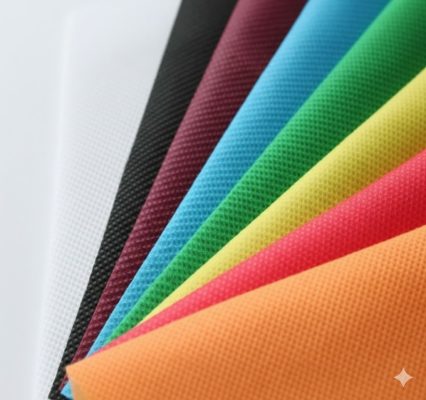
Non-woven Color materials have become increasingly popular in the protective equipment industry due to their versatility, breathability, and cost-effectiveness. However, many users encounter a common issue where their Non-woven Color products gradually fade to a silver or grayish appearance, significantly affecting both aesthetics and potentially indicating quality degradation. Understanding the root causes of this discoloration and implementing proper storage techniques is essential for maintaining the integrity and longevity of these important safety materials.
Understanding Non-woven Color Material Composition
Before delving into the causes of color fading, it is important to understand what Non-woven Color materials actually are. These fabrics are engineered textiles made by bonding fibers together through chemical, mechanical, heat, or solvent treatment rather than weaving or knitting. The coloring process for Non-woven Color products typically involves adding pigments or dyes during the manufacturing stage or through post-production treatment methods. The quality of these colorants and the bonding process significantly impacts how well the material retains its original appearance over time.
The structure of Non-woven Color fabrics consists of randomly arranged fibers that create a porous yet cohesive material. This unique construction provides excellent filtration properties and breathability, making it ideal for protective equipment such as disposable coveralls, face masks, surgical gowns, and shoe covers. However, this same porous structure can also make Non-woven Color materials more susceptible to environmental factors that cause discoloration.
First Cause: Ultraviolet Light Exposure and Non-woven Color Degradation
One of the primary culprits behind Non-woven Color fading to silver is prolonged exposure to ultraviolet light from the sun or artificial lighting sources. UV radiation has enough energy to break down the chemical bonds in the dyes and pigments used to color the fabric. When Non-woven Color materials are stored near windows, under direct sunlight, or in areas with intense fluorescent lighting, the UV rays gradually decompose the color molecules, leading to a faded, silvery appearance.
The photodegradation process occurs because UV light causes oxidation reactions within the dye molecules, altering their molecular structure and changing how they absorb and reflect light. Different colors fade at different rates, with some pigments being more UV-stable than others. The silver appearance often results from the partial breakdown of the original colorant, leaving behind metallic-looking residues or exposing the natural white or light gray color of the base polypropylene fibers commonly used in Non-woven Color production.
Second Cause: Humidity and Moisture Impact on Non-woven Color
High humidity levels and direct moisture contact represent another significant factor in Non-woven Color discoloration. When these materials are stored in damp environments or exposed to condensation, water molecules can interact with the dye molecules and the fiber structure itself. This interaction may cause dyes to migrate within the fabric, become diluted, or undergo hydrolysis reactions that break down their chemical structure.
Additionally, moisture creates an ideal environment for microbial growth on Non-woven Color surfaces. Mold, mildew, and bacteria can colonize damp fabrics, producing enzymes and metabolic byproducts that may further degrade the colorants. Even if visible mold growth is not present, microscopic fungal activity can contribute to the silvery discoloration that users often observe. The porous nature of Non-woven Color materials means they can absorb and retain moisture more readily than woven fabrics, making proper humidity control essential for preservation.
Third Cause: Chemical Interactions Affecting Non-woven Color Stability
Exposure to various chemicals in the storage environment can dramatically impact Non-woven Color appearance. Common household or industrial chemicals such as cleaning agents, solvents, oils, and even certain fragrances can react with the dyes used in these materials. When Non-woven Color products are stored near cleaning supplies, automotive fluids, or in areas where chemical vapors are present, these substances can cause oxidation, reduction, or other chemical reactions that alter the color.
Particularly problematic are chlorine-based cleaners, acidic substances, and alkaline compounds, which can rapidly degrade many types of dyes. Even seemingly innocuous substances like hand lotions, cosmetics, or insect repellents transferred from hands to storage containers can slowly affect Non-woven Color materials over time. The chemical incompatibility between certain substances and the specific dyes used in production means that seemingly minor exposures can accumulate and eventually manifest as the characteristic silver fading.
Fourth Cause: Temperature Fluctuations and Non-woven Color Integrity
Extreme temperatures and frequent temperature cycling pose another threat to Non-woven Color stability. High temperatures can accelerate chemical degradation processes, causing dyes to break down more rapidly. When stored in hot attics, near heating sources, or in vehicles exposed to summer heat, Non-woven Color materials experience thermal stress that weakens the bonds between dye molecules and the fiber substrate.
Conversely, very low temperatures followed by warming cycles create expansion and contraction within the material structure. This thermal cycling can cause physical stress that disrupts the dye-fiber interaction, leading to color migration or separation. The repeated freeze-thaw or heat-cool cycles are particularly damaging because they create cumulative damage over time. Maintaining a stable, moderate temperature for Non-woven Color storage is therefore critical for preventing premature fading to silver appearances.
Fifth Cause: Poor Quality Control in Non-woven Color Manufacturing
Not all Non-woven Color fading issues originate from storage conditions. Sometimes, the problem begins at the manufacturing stage with inadequate quality control. When producers use inferior dyes, insufficient dye concentrations, or improper application techniques, the resulting Non-woven Color products will have inherently poor colorfastness from the start. These materials may appear satisfactory when new but quickly fade when exposed to even normal environmental conditions.
Manufacturing defects such as incomplete dye penetration, uneven color distribution, or inadequate heat-setting of dyes can all contribute to premature fading. Some manufacturers may cut costs by using dyes that are not suitable for the intended application or by skipping important stabilization steps in production. When purchasing Non-woven Color materials for protective equipment, it is essential to source from reputable suppliers who maintain strict quality standards and use appropriate colorfastness testing methods to ensure their products will maintain appearance throughout their intended service life.
Sixth Cause: Atmospheric Pollutants and Non-woven Color Deterioration
Air quality plays an often-overlooked role in Non-woven Color preservation. Atmospheric pollutants such as nitrogen oxides, sulfur dioxide, ozone, and particulate matter can interact with dyes and fibers, causing discoloration over time. Industrial areas, urban environments with heavy traffic, and locations near manufacturing facilities typically have higher concentrations of these pollutants, which can accelerate the fading process.
Ozone is particularly damaging to many dyes and to the polypropylene fibers commonly used in Non-woven Color production. This reactive form of oxygen can cause oxidative degradation of both the colorants and the polymer chains in the fibers themselves. When Non-woven Color materials are stored in areas with poor air quality or inadequate ventilation, the cumulative exposure to these pollutants gradually degrades the material, often resulting in the silvery, faded appearance that indicates advanced deterioration. Air filtration and proper ventilation of storage areas can help mitigate this cause of color loss.
Seventh Cause: Physical Abrasion and Handling of Non-woven Color Materials
Mechanical wear from improper handling and storage can also contribute to Non-woven Color appearing silver or faded. When these materials are stored in ways that cause rubbing, compression, or repeated folding at the same locations, the physical stress can damage the surface fibers and dislodge dye particles. The abraded areas often appear lighter or silvery because the damaged fiber structure reflects light differently than intact material.
Stacking heavy items on top of Non-woven Color products, dragging materials across rough surfaces during storage or retrieval, or cramming items tightly into storage containers all create friction and pressure that degrades both fiber integrity and color retention. Additionally, the oils and contaminants from human hands during frequent handling can transfer to the material surface and gradually affect its appearance. Implementing careful handling procedures and providing adequate storage space to prevent compression and abrasion is essential for maintaining Non-woven Color quality.
Eighth Cause: Extended Storage Duration Beyond Shelf Life for Non-woven Color
Even under ideal conditions, Non-woven Color materials have a finite shelf life. The dyes and polymers used in these products undergo gradual degradation simply due to the passage of time, a process known as aging. Chemical bonds slowly break down, crystalline structures within the polymer change, and dyes gradually lose their chromophoric properties even without external stressors. Products stored for several years beyond their recommended shelf life will inevitably show signs of deterioration, including the characteristic silver fading.
The aging process is accelerated by any of the previously mentioned factors, but it occurs to some degree regardless of storage conditions. Manufacturers typically recommend using Non-woven Color protective equipment within one to three years of production, depending on the specific formulation and intended application. Rotating stock using first-in-first-out inventory management, clearly labeling products with manufacturing dates, and regularly auditing stored materials for signs of degradation helps ensure that Non-woven Color items are used while still in optimal condition rather than being discovered years later with unacceptable appearance and potentially compromised protective properties.
Proper Storage Methods for Preserving Non-woven Color Quality
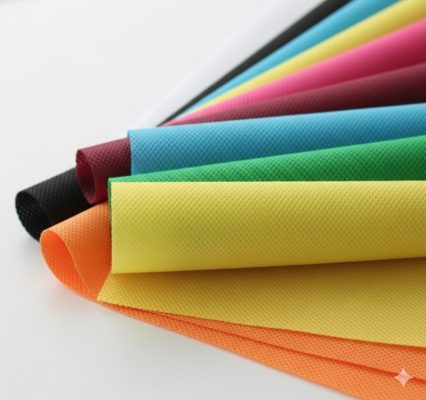
Protecting non-woven materials from the various causes of fading requires implementing comprehensive storage practices. The storage environment should maintain moderate, stable temperatures between 15 to 25 degrees Celsius, avoiding areas subject to extreme heat or cold. Temperature-controlled facilities or climate-stable interior spaces are ideal for long-term storage, keeping materials away from attics, basements, or outdoor structures where temperature fluctuations are common.
Humidity control is equally important for preserving color quality. Storage areas should maintain relative humidity between 40 and 60 percent, which prevents both excessive dryness that can make materials brittle and dampness that promotes color degradation and microbial growth. Using dehumidifiers in humid climates, ensuring proper ventilation, and avoiding storage in bathrooms, laundries, or other moisture-prone areas helps maintain this optimal humidity range. Storing products in sealed, moisture-barrier packaging provides additional protection against humidity fluctuations.
Light Protection Strategies for Non-woven Color Materials
Minimizing light exposure is crucial for preventing UV-related degradation. Storage areas should be kept dark or illuminated only when access is needed, avoiding continuous exposure to any light source. When storing in rooms with windows, place materials in opaque containers or cabinets that block all light. If transparent or translucent storage containers must be used, position them away from windows and consider applying UV-filtering film to windows in storage areas.
For facilities that require lighting in storage areas, LED lights are preferable to fluorescent tubes because they emit significantly less UV radiation. Additionally, keeping products in their original packaging until needed provides an extra layer of light protection. Many manufacturers package non-woven items in UV-resistant bags or boxes specifically designed to shield contents from light damage during storage and shipping.
Chemical Isolation for Non-woven Color Storage
Creating a chemically neutral storage environment protects Non-woven Color materials from reactive substances. Dedicated storage areas for protective equipment should be separate from cleaning supplies, automotive products, paints, solvents, and other potentially reactive chemicals. Even when these substances are in sealed containers, vapors can escape and accumulate in enclosed spaces, gradually affecting nearby Non-woven Color materials.
According to the U.S. Environmental Protection Agency (EPA), poor indoor air quality and the accumulation of chemical vapors can significantly accelerate material degradation and discoloration over time, especially in enclosed or poorly ventilated storage areas. This highlights the importance of maintaining proper ventilation and isolating Non-woven Color products from volatile chemicals during storage.
Storage containers themselves should be made from inert materials such as polyethylene or polypropylene rather than PVC or other plastics that may off-gas plasticizers or other chemicals over time. Avoid using cardboard boxes treated with fire retardants or pest repellents, as these chemicals can migrate to stored Non-woven Color products. Ensuring good ventilation in storage areas helps prevent the accumulation of any chemical vapors while maintaining the recommended humidity levels. Personnel should avoid handling Non-woven Color materials immediately after applying hand lotions, sanitizers, or cosmetics that might transfer to the fabric.
Physical Protection and Organization for Non-woven Color Products
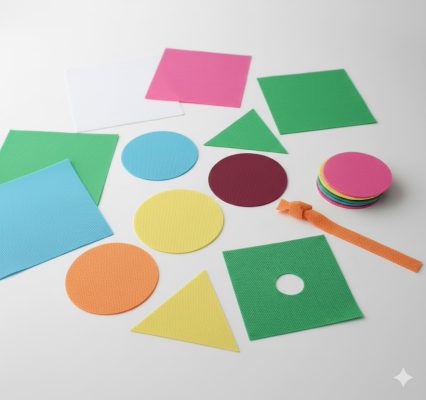
Proper physical storage arrangements prevent abrasion and compression damage to Non-woven Color materials. Products should be stored in ways that minimize stacking weight, ideally on shelves with adequate spacing rather than piled in tall stacks. When stacking is necessary, limit stack height and place heavier items on bottom shelves while keeping Non-woven Color materials toward the top.
Using dividers, bins, or compartments helps organize different Non-woven Color products while preventing them from rubbing against each other during retrieval. Materials should be stored in their original packaging or in protective bags until needed, and the packaging should remain sealed to prevent dust accumulation and minimize handling of the actual fabric. Implementing a clear labeling and organization system reduces the need to search through stored items, minimizing handling and the associated risk of contamination or damage.
Inventory Management and Rotation for Non-woven Color Stock
Establishing systematic inventory management ensures Non-woven Color materials are used before they exceed their optimal shelf life. Implement a first-in-first-out system where newly received stock is placed behind existing inventory, encouraging use of older materials first. Clearly mark all Non-woven Color products with their receipt or manufacturing date, and conduct regular inventory audits to identify items approaching the end of their recommended storage period.
Create a digital or physical tracking system that records when Non-woven Color materials were purchased, their quantities, and their locations. This tracking enables proactive planning to use materials before they degrade and helps identify storage areas or batches that may be experiencing quality issues. If certain stored items show signs of premature fading or other deterioration, this information can guide improvements to storage conditions or prompt evaluation of supplier quality standards.
Regular Inspection and Quality Monitoring of Non-woven Color Materials
Periodic inspection of stored Non-woven Color products helps detect degradation early, before materials are issued for use. Establish a schedule for examining stored items, looking for signs of color fading, material degradation, package damage, or environmental issues in the storage area. Pay particular attention to materials stored longest, those near windows or doors, and any items stored in areas with less-than-ideal conditions.
When conducting inspections, examine both the exterior packaging and sample items from within packages to assess actual material condition. Document inspection findings, noting any changes in Non-woven Color appearance, texture, or structural integrity. This documentation helps track degradation rates, evaluate the effectiveness of storage practices, and justify improvements to storage facilities or procedures. If silvering or other discoloration is detected, investigate the cause and implement corrective measures to prevent similar degradation in remaining stock.
Conclusion:
Understanding the eight primary causes of Non-woven Color fading to silver appearances empowers users to implement effective preventive measures. UV light exposure, humidity and moisture, chemical interactions, temperature fluctuations, manufacturing quality issues, atmospheric pollutants, physical abrasion, and extended storage time all contribute to color degradation in different ways. By addressing each of these factors through proper storage practices, users can significantly extend the service life and maintain the appearance of their Non-woven Color protective equipment.
Implementing the recommended storage methods including temperature and humidity control, light protection, chemical isolation, physical protection, systematic inventory rotation, and regular quality monitoring creates an environment where Non-woven Color materials retain their original appearance and protective properties. These practices not only preserve product aesthetics but also help ensure that the materials continue to provide the intended level of protection for workers who depend on them.
At 8688.vn, we specialize in manufacturing high-quality non-woven products and PPE to meet the diverse needs of healthcare, manufacturing, and real estate sectors. Our product range is designed to be safe, breathable, available in eco-friendly options, and suitable for high-volume use. With competitive wholesale pricing, a stable supply, and expert consultation, 8688.vn is a trusted partner that helps businesses implement effective non-woven solutions.
Visit 8688.vn to explore our full product range and find the right solution for your hygiene, operational, and asset protection needs.
