
Discover why wearing masks and gowns together provides the ultimate daily protection. Learn 5 practical ways gowns enhance safety after masks.
I. Introduction
In today’s health-conscious world, masks have become far more than a temporary accessory—they are an indispensable part of daily life for millions of people across the globe. From bustling city streets to crowded offices, public transport, and even casual social gatherings, masks serve as the first and most visible line of defense against airborne germs, viruses, and pollutants. They have become a symbol of personal responsibility and public health awareness.
Yet, while masks are highly effective in protecting the respiratory system, they cover only a fraction of what needs protection: the mouth, nose, and to some extent, the face. The rest of the body—clothing, skin, and hands—remains vulnerable to contamination, especially in environments with high exposure risk. This is where gowns come into the picture, serving as the critical second line of defense after masks.
Adding a gown to your daily protective routine does more than complement the mask—it transforms your level of safety. Gowns act as a physical barrier, shielding your clothes, skin, and personal belongings from harmful particles, bacteria, and viruses that may linger in the air or settle on surfaces. In professional settings such as hospitals, clinics, food processing plants, laboratories, or even crowded public spaces, this combination of mask and gown significantly reduces cross-contamination, prevents the spread of pathogens, and ensures comprehensive protection for yourself and those around you.
But the benefits of wearing a gown extend beyond just physical protection. There is also a profound psychological advantage. Being covered in a gown provides a sense of security and peace of mind, allowing individuals to feel more confident and less anxious in high-risk environments. This dual-layer approach—masks first, gowns second—reinforces responsible hygiene behavior, encourages careful interaction, and promotes a culture of safety in both personal and professional spaces.
Moreover, in today’s unpredictable world of emerging infections and evolving health challenges, relying solely on masks is no longer sufficient. Gowns provide an additional safeguard, ensuring that even if airborne particles or contaminated surfaces are encountered, the risk of transmission is dramatically reduced. They are not just an accessory—they are a necessary tool for anyone who values their health and the well-being of those around them.
In this article, we will explore five practical and effective ways that gowns protect you every day, from keeping your clothing clean to minimizing direct contact with pathogens. By understanding these benefits, you’ll see why incorporating a gown into your daily routine is not merely a precaution—it’s a proactive step toward comprehensive personal safety. After all, when it comes to protection, masks are the first line, but gowns are the essential second line that completes the defense.
II. Why Gowns Are the Second Line of Defense After Masks
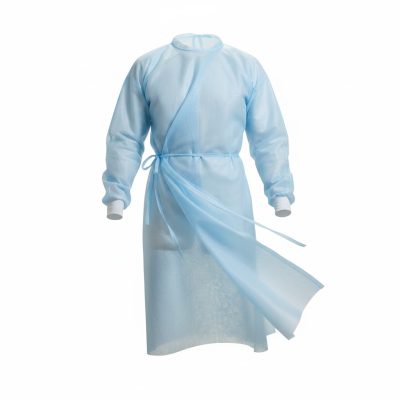
While masks have become the most recognizable and widely used personal protective equipment (PPE), they protect only one part of the body: the respiratory system. Your mouth and nose may be shielded from airborne particles, but the rest of your body—your clothing, skin, and even accessories—remains exposed to germs, bacteria, and viruses that can easily cling to fabrics or surfaces you touch. This is where gowns step in as a vital second line of defense after masks.
Gowns create a physical barrier that protects your body from contaminants that masks alone cannot block. When worn properly, they cover large areas of your body, including your arms, torso, and sometimes legs, reducing the likelihood that harmful particles will settle on your clothes or come into contact with your skin. In healthcare settings, laboratories, food processing facilities, and crowded public spaces, this additional layer of protection is not just practical—it is essential. Gowns protection after masks dramatically lowers the risk of cross-contamination, helping to prevent the spread of pathogens from one surface or person to another.
Beyond just blocking germs, gowns also help maintain a higher standard of hygiene. For instance, in hospitals, a single contaminated uniform can transfer bacteria across wards, potentially putting vulnerable patients at risk. By wearing a gown, healthcare workers can remove a disposable barrier at the end of a shift, ensuring that any pathogens collected during work do not travel outside controlled areas. Similarly, in laboratories and food processing plants, gowns prevent microbes from leaving the workspace on clothing, contributing to safer environments and compliance with strict hygiene regulations.
The protective function of gowns extends to everyday public use as well. In situations like crowded transportation, grocery stores, or public events, gowns act as an extra safeguard, especially when masks alone cannot prevent all exposure. They reduce the risk of picking up germs from surfaces, accidental contact with others, or airborne droplets that may settle on clothing. Essentially, gowns serve as a mobile protective shield, complementing the mask and creating a full-body defense system.
Furthermore, this dual-layer protection approach—masks first, gowns second—reinforces a mindset of comprehensive safety. It encourages individuals to be proactive about hygiene, understand the importance of minimizing contact with potentially contaminated surfaces, and take personal responsibility for protecting not only themselves but also those around them.
In short, while masks protect your breathing pathways, gowns safeguard the rest of your body, making them an indispensable part of modern personal protective strategies. Combining the two ensures that you are not just partially protected but fully prepared against everyday exposure to germs and contaminants.
III. 5 Ways Gowns Protect You Every Day
1. Shields Your Clothing from Contaminants
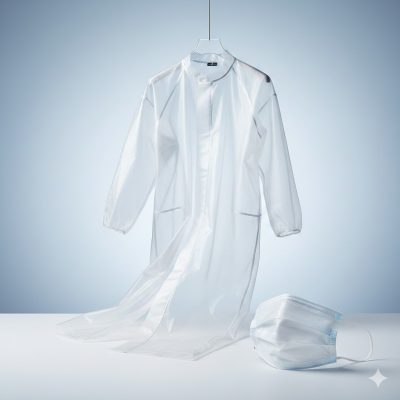
Everyday life constantly exposes your clothing to a wide variety of contaminants, ranging from invisible germs and bacteria to dust, dirt, and even chemical residues. Simple daily activities, such as shopping at a grocery store, riding in crowded public transport, touching elevator buttons, or handling shared equipment at the office, can leave your clothes vulnerable to these harmful particles. Wearing a gown acts as a protective barrier, covering your clothing completely and preventing contaminants from settling.
This not only keeps your clothes clean but also minimizes the risk of transferring germs to your home, car, or workplace. In environments where hygiene is crucial—like hospitals, laboratories, or food processing facilities—this protection becomes even more essential. By integrating gowns into your daily routine, you embrace a practical, proactive strategy for maintaining personal and environmental hygiene, making gowns a smart complement for anyone seeking comprehensive daily safety.
2. Reduces Direct Contact With Pathogens
Gowns are far more than a simple clothing layer—they serve as a physical shield between your body and potential sources of infection. Every time you touch a door handle, a shared workstation, or surfaces in public spaces, your skin and clothes are at risk of picking up harmful bacteria, viruses, or other pathogens. A gown prevents these particles from directly contacting your body, providing a vital layer of protection.
When paired with a mask, gowns create a comprehensive defense system: masks safeguard your respiratory system, while gowns protect the rest of your body. This combination dramatically reduces the risk of cross-contamination and infection, particularly in high-risk environments like hospitals, laboratories, or densely populated public areas. The dual-layer approach ensures that even if one protective measure is compromised, the other continues to provide essential coverage, enhancing overall safety.
3. Enhances Hygiene in Shared Spaces
Maintaining hygiene in shared spaces is often challenging because germs can travel quickly from person to person via clothing and contact with surfaces. In hospitals, schools, food production facilities, and office environments, contaminated clothing can easily become a vector for the spread of microorganisms. Wearing a gown creates a reliable contamination barrier, preventing the transfer of bacteria and viruses to others or onto communal surfaces.
For example, healthcare professionals use disposable gowns to prevent patients from being exposed to harmful pathogens. Similarly, staff in food processing plants wear gowns to comply with strict hygiene regulations, ensuring that products remain safe and uncontaminated. Even in everyday office settings, wearing a gown can minimize the risk of carrying contaminants between home and work. In all these scenarios, gowns protection after masks reinforces collective hygiene practices and supports a safer, cleaner environment for everyone.
4. Provides Psychological Assurance
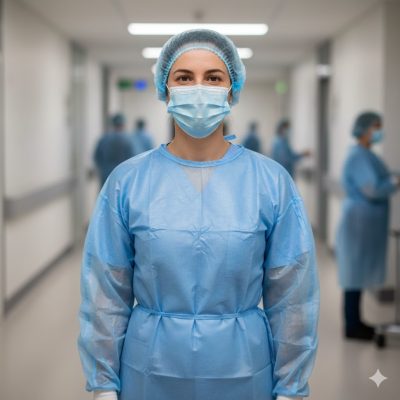
Safety is not only about physical protection—it also has a psychological dimension. Wearing a gown provides peace of mind, reassuring individuals that they are protected from exposure to potentially harmful germs and particles. People who combine masks with gowns feel more confident navigating crowded public spaces, workplaces, or healthcare environments, knowing that they have taken every precaution to safeguard themselves.
This sense of security encourages better hygiene habits, such as frequent handwashing, careful avoidance of touching surfaces unnecessarily, and more mindful interactions with others. The psychological benefit is especially significant in stressful or high-risk situations, where anxiety about exposure can affect focus, performance, and overall well-being. By combining masks and gowns, you achieve both tangible protection and mental comfort, empowering yourself to act responsibly and confidently in any environment.
5. Easy to Use and Replace for Daily Safety
Modern gowns are designed for convenience and practicality, making them easy to integrate into daily routines. Disposable gowns provide single-use protection, which is particularly beneficial in environments with a high risk of contamination. After use, they can be safely discarded, eliminating the potential for cross-contamination. On the other hand, washable, reusable gowns offer a sustainable option for long-term protection, provided they are cleaned and sanitized according to strict protocols.
Both types are simple to put on and remove, ensuring that daily protection is effortless and effective. Unlike masks, which primarily protect the respiratory system, gowns cover the entire body, addressing both airborne and surface-based threats. By wearing gowns alongside masks, you establish a consistent, reliable safety routine that protects not only yourself but also those around you. This combination represents the modern standard for daily PPE, creating a layered defense system that balances convenience, effectiveness, and peace of mind.
IV. Choosing the Right Gown for Maximum Protection
Not all gowns are created equal, and selecting the right one is essential to ensure you achieve the maximum protection after wearing a mask. The effectiveness of a gown depends on several factors, from material quality to design, coverage, and usage type. Choosing wisely can make a significant difference in everyday safety, whether in healthcare, laboratories, food processing, or even high-traffic public spaces.
1. Material Quality
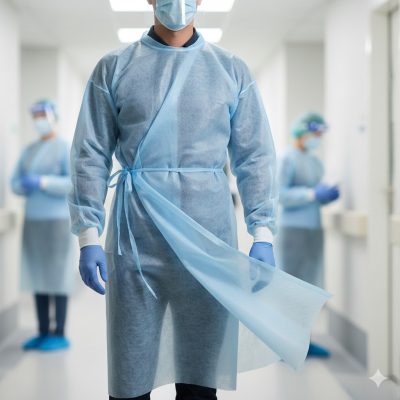
The material of a gown is the first and most important factor to consider. Look for gowns made from non-woven fabrics, which are lightweight, breathable, and designed to block liquids and airborne particles. Many high-quality gowns are fluid-resistant, preventing splashes of liquids, chemicals, or bodily fluids from reaching your clothes or skin. Breathability is also critical: a gown that allows air circulation will keep you comfortable during long hours of use, which increases the likelihood that you will wear it consistently. High-quality materials ensure durability, effective barrier protection, and overall comfort, making them the foundation of reliable gowns protection after masks.
2. Size and Coverage
Even the best material cannot provide adequate protection if the gown does not cover your body properly. A well-fitted gown should protect your arms, torso, and legs, minimizing gaps where germs or contaminants can reach your clothing. Sleeves should be long enough to overlap with gloves, and the back should be fully covered to prevent exposure when bending or moving. Adjustable ties, elastic cuffs, and secure closures enhance the fit, keeping the gown in place and maintaining the integrity of your protective barrier throughout the day.
3. Disposable vs. Reusable
Another important consideration is whether to choose disposable or reusable gowns.
-
Disposable gowns are designed for single use, making them ideal for environments with high contamination risks. They reduce cross-contamination because they are discarded immediately after use, ensuring that any pathogens do not travel to other areas.
-
Reusable gowns can be washed and sanitized multiple times, offering a sustainable option for long-term use. However, proper cleaning protocols are essential to maintain their effectiveness. Without correct washing and disinfection, reusable gowns may become a source of contamination rather than protection.
Choosing the right type depends on your daily routine, exposure risk, and hygiene requirements. In many professional settings, a combination of disposable and reusable gowns may provide the most practical and cost-effective solution.
4. Additional Features to Consider
Some gowns include extra features that enhance protection and convenience, such as reinforced seams, anti-static properties, or water-repellent coatings. These features can provide additional safety in specific environments, such as laboratories handling chemicals or hospitals dealing with infectious fluids.
By carefully considering these factors—material quality, size and coverage, disposable vs. reusable options, and additional features—you ensure that your gown truly complements your mask, providing maximum protection every day. The right gown acts as a reliable shield, preventing contaminants from reaching your clothing and skin, and reinforcing the dual-layer safety approach: masks first, gowns second.
V. Conclusion
Masks have undeniably become a cornerstone of personal safety, protecting the respiratory system from airborne particles, viruses, and pollutants. Yet, as essential as masks are, they only cover a fraction of the protection needed in today’s high-risk environments. Gowns complete your safety plan, acting as the second, critical line of defense. When worn together, masks and gowns create a comprehensive barrier that reduces contamination, enhances hygiene, and provides peace of mind in healthcare, industrial, or everyday settings. This dual-layer protection—masks first, gowns second—makes daily safety simple, effective, and reliable.
At TM&DV 8688 Co., Ltd., safety begins at the material level. We understand that the strength of protection depends on the quality and reliability of the products you use. That is why our gowns and PPE solutions are designed and manufactured under strictly controlled processes, ensuring consistent performance and adherence to international hygiene and safety standards. From hospitals and laboratories to food production facilities and high-traffic public spaces, our PPE solutions are crafted to meet the highest expectations, whether for domestic operations or export markets.
But protection is not just about compliance—it’s about long-term value. TM&DV 8688 focuses on providing PPE that supports sustainable, scalable operations. Our solutions are designed to minimize risk, reduce waste, and lower replacement costs without compromising safety. This allows our partners to operate with confidence, knowing that every gown, mask, or protective item contributes to a consistent and dependable hygiene system.
Moreover, we understand that every environment is unique. Whether you are upgrading hygiene standards in a hospital, expanding services in a food processing facility, or supplying professional-grade PPE to demanding industrial sites, TM&DV 8688 Co., Ltd. offers tailored expertise and practical solutions that address your specific needs. Our commitment is to ensure that your operations are safe, efficient, and future-ready, allowing you to focus on growth and productivity without compromising on protection.
Take the next step toward enhanced safety and operational excellence. Trust TM&DV 8688 Co., Ltd. for PPE solutions that combine professional protection, proven quality, and long-term peace of mind. Let us help you safeguard your people, your processes, and your reputation—every single day.
📌 Discover how TM&DV 8688 Co., Ltd. can support your business today:
🌐 Website: 8688.com.vn
📞 Hotline: 0909 868 688
📧 Email: info@8688.vn
TM&DV 8688 Co., Ltd. — Professional Protection. Trusted Quality. Long-Term Peace of Mind.
