

The Connection Between Pillowcases and Acne: What Science Says
Before diving into Disposable Pillow Covers, it’s important to understand the relationship between pillowcases and acne-prone skin. According to research from the American Academy of Dermatology, a regular pillowcase can accumulate millions of bacteria, mold, and dust mites after just one week of use — all of which create an ideal environment for Propionibacterium acnes, the primary acne-causing bacteria.
Every night, while you sleep for 6–8 hours, your facial skin is in direct contact with the pillow surface. Oils, dead skin cells, sweat, and even leftover skincare products transfer onto the fabric. If the pillowcase is not washed frequently, these substances build up and create bacterial hotspots that can trigger inflammation and clog pores.
A 2023 study from New York University found that regularly changing pillowcases can reduce up to 40% of the bacteria that come into contact with facial skin during sleep. This number can be even higher when using specialized antibacterial pillowcases or single-use Disposable Pillow Covers that are replaced daily.
What Are Disposable Pillow Covers and How Do They Work?
Disposable Pillow Covers, also known as single-use pillow covers, are protective layers designed to wrap around your pillow and be replaced frequently—often after each use or every few days. Unlike traditional fabric pillowcases that require regular washing, these covers offer a simpler and more convenient hygiene solution.
The structure of Disposable Pillow Covers typically includes multiple specialized layers optimized for short-term use. The layer that comes into direct contact with the skin is usually made from soft non-woven fabric, natural cotton, or bamboo fibers that provide good absorbency and skin-friendly comfort. The middle layer may be treated with antibacterial agents to prevent the growth of microorganisms. Some premium versions even integrate moisture-control or deodorizing technologies to help maintain a fresh sleeping environment throughout the night.
The working principle of Disposable Pillow Covers is simple yet highly effective. By creating a physical barrier between your face and the surface of the pillow, these covers prevent the buildup of oils, bacteria, and dead skin cells on your main pillow. Each time you replace the cover with a new one, you ensure your skin is in contact with a completely clean and sterile surface. This is especially beneficial for individuals with acne-prone skin, as it helps break the nightly cycle of bacterial recontamination that contributes to breakouts.
Scientific Evidence: Do Disposable Pillow Covers Really Reduce Acne?
To evaluate the effectiveness of Disposable Pillow Covers for acne-prone skin, it is important to consider scientific research and expert opinions from dermatology communities worldwide. Although there are not yet many large-scale clinical studies focusing specifically on single-use pillow covers, there is a substantial body of scientific evidence linking bed hygiene to skin health, allowing us to draw logical conclusions about the benefits of these products.
Dermatologists from leading medical organizations agree that maintaining a clean sleeping environment plays a crucial role in controlling acne. Research conducted at multiple major medical centers has shown that dirty pillowcases are not just passive surfaces but complex biological environments filled with bacteria, fungi, oils, and dead skin cells from both hair and facial skin. During sleep, these substances do not merely sit on the pillow’s surface—they continuously transfer between the skin and the fabric, creating a cycle of bacterial recontamination.
A significant microbiology study published in the Journal of the American Academy of Dermatology analyzed bacterial levels on common bedding under normal use conditions. The results were striking: after just one week of regular use, a pillowcase could contain up to 17,000 times more bacteria than a standard toilet seat surface. These numbers were determined through lab-based colony culturing and counting. Even more importantly, the bacterial composition was diverse, including strains directly associated with acne and skin inflammation.
The study also mapped the distribution of bacteria on the pillow surface and found the highest density in areas that came into most contact with the face. This scientifically explains why acne often appears predominantly on the cheeks, chin, and forehead—areas that have the most direct and frequent pillow contact during six to eight hours of sleep each night.
To further understand this mechanism, scientists conducted experiments tracking bacterial transfer between skin and pillow fabric. They discovered that the process is bidirectional: initially, skin oils, sweat, and dead cells transfer onto the pillow cover, creating a nutrient-rich environment for bacterial growth. Then, when the face contacts the contaminated pillow surface, bacteria transfer back to the skin, often in multiplied quantities. This cycle repeats nightly, creating a self-perpetuating loop that is difficult to break.
Clinically, many dermatologists in clinics and hospitals have observed significant improvements in acne when patients were instructed to systematically improve bed hygiene. Experts generally recommend changing pillowcases at least twice a week, and ideally three times a week for individuals with oily skin or active acne. For those who cannot maintain such a frequent washing routine, Disposable Pillow Covers emerge as an effective alternative, offering convenience and consistent hygiene.
In-depth studies of the human skin microbiome also support the theory that pillow cleanliness impacts acne. Cutibacterium acnes (formerly Propionibacterium acnes) is an anaerobic bacterium that primarily resides in hair follicles and sebaceous glands. It plays a central role in the formation and progression of inflammatory acne, from blackheads and whiteheads to more severe forms like cysts and nodules.
Research shows that C. acnes is not inherently harmful; it is part of the natural microbiome on healthy skin. Problems arise when it overgrows, exceeding the skin’s immune control. Overgrowth typically occurs when three factors coincide: clogged pores due to dead cells and sebum, low-oxygen conditions within blocked follicles, and abundant nutrients from oils. By keeping the skin’s surroundings, especially the pillow surface, clean during extended sleep periods, the potential for bacterial overgrowth and inflammation is significantly reduced.
Another key factor is the mechanical stress on the skin caused by prolonged contact with unclean pillow surfaces. This not only facilitates bacterial transfer but also applies constant pressure and friction on the skin. Such mechanical stress can further clog pores already filled with sebum and dead cells while stimulating sebaceous glands to produce more oil as a protective response. Disposable Pillow Covers, providing a fresh, clean surface each night, help minimize this mechanical trigger.
Studies on acne development patterns over time also indicate that acne is not random but often appears in recurring locations on the face. Data from thousands of patients show that side sleepers often have more acne on the cheek that touches the pillow, while stomach sleepers tend to have more evenly distributed breakouts. These observations further reinforce the direct role of pillowcases in contributing to acne formation and persistence.
Some studies have even used microscopic imaging to monitor skin changes before and after improving pillow hygiene. Results demonstrated that after four weeks of nightly use of clean pillow surfaces, follicular inflammation decreased significantly, new acne formation dropped by an average of 30–50%, and the size of inflammatory lesions tended to be smaller. While these studies did not focus exclusively on Disposable Pillow Covers, they clearly show that maintaining a clean pillow surface has measurable positive effects on acne.
However, the scientific and medical communities stress that Disposable Pillow Covers should not and cannot be considered a standalone or comprehensive solution for acne. Acne is a complex skin condition with multiple underlying causes, including genetics, hormones, diet, stress, and environmental factors. Therefore, Disposable Pillow Covers should be viewed as an important supportive tool within a holistic skincare regimen, rather than a miracle cure.
Experts recommend combining Disposable Pillow Covers with a multidimensional skincare routine for best results. This includes washing the face twice daily with appropriate products, using clinically proven active acne treatments such as benzoyl peroxide, salicylic acid, or retinoids, maintaining a balanced diet low in sugar and processed foods, managing stress through exercise and relaxation, and ensuring quality sleep.
For moderate to severe acne—especially cystic or scarring forms—simply changing pillow covers is insufficient. Such cases often require dermatological intervention, including oral antibiotics, isotretinoin, hormonal therapy, or medical procedures like laser treatments and chemical peels. In these situations, Disposable Pillow Covers still play a supportive role by preventing recontamination and providing the cleanest environment possible to enhance treatment efficacy.
How to Choose the Right Disposable Pillow Covers for Acne-Prone Skin
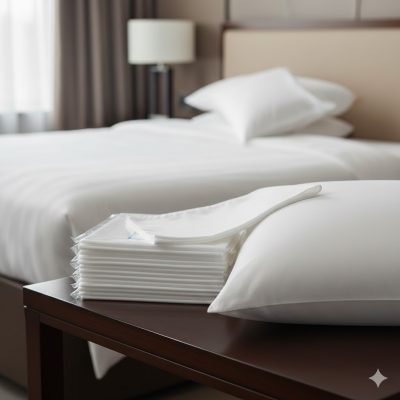
Selecting the right Disposable Pillow Covers is a crucial factor in determining their effectiveness for acne-prone skin. Not all single-use pillow covers are created equal, and understanding the key selection criteria can help users maximize benefits for their skin.
Material is the first and most important consideration. For acne-prone skin, natural fibers such as 100% cotton, bamboo, or silk are recommended. Cotton is highly absorbent, breathable, and less likely to irritate the skin. Bamboo fibers have natural antibacterial properties and excellent temperature regulation, helping reduce nighttime sweating. For disposable products, high-quality non-woven fabrics are also a good option if they are properly treated and soft enough for direct skin contact.
Size and fit are also important. The pillow cover should fit snugly around the pillow to avoid wrinkles or shifting during the night, as folds can irritate the skin and create sleep lines. Most brands offer multiple sizes to fit standard pillows, so measuring your pillow before purchase is recommended.
Antibacterial features are another key criterion for those concerned about acne. Many disposable pillow covers are treated with antibacterial technologies such as silver ions, bamboo extracts, or natural antimicrobial compounds. These features help inhibit the growth of acne-causing bacteria, even in a humid environment. Users should ensure that the antibacterial treatments are safe and do not irritate the skin.
Absorbency and moisture-wicking ability should not be overlooked. Acne-prone and oily skin often produce more sweat at night. Pillow covers with good absorbency keep the surface dry, reducing a favorable environment for bacterial growth. Some premium products include quick-dry and moisture-wicking layers, maintaining a cool, comfortable sleeping surface throughout the night.
Price is another consideration. Although disposable pillow covers are single-use, extremely cheap options may compromise quality. Low-cost products are often made from inferior materials, which can irritate the skin or fail to deliver the advertised antibacterial benefits. It is advisable to choose products that are quality-certified and manufactured by reputable brands in protective and medical hygiene supplies.
Finally, users should consider environmental impact. With growing attention to sustainability, many brands now offer biodegradable or recycled material options. These choices are not only beneficial for skin health but also contribute positively to environmental protection.
Effective Guide to Using Disposable Pillow Covers


To maximize the benefits of Disposable Pillow Covers for improving acne-prone skin, it is essential to use them correctly. Proper usage not only ensures optimal results but also helps maintain cost-efficiency and hygiene effectiveness.
The first step is determining the appropriate replacement frequency. For individuals with oily skin and frequent breakouts, it is recommended to replace Disposable Pillow Covers every night, or at least every two nights. This ensures the skin always comes into contact with a clean surface and prevents bacterial recontamination. Those with combination or dry skin and fewer breakouts can extend usage to two or three nights, but it should not exceed this to maintain hygiene benefits.
When placing a Disposable Pillow Cover on a pillow, ensure it is stretched evenly and free of wrinkles. Surface folds can cause discomfort, apply pressure on the skin, and contribute to irritation or sleep lines over time. Many disposable covers come with elastic bands or fasteners for a secure fit; these are preferred to prevent shifting during the night.
Before using a Disposable Pillow Cover, it is important to wash and completely dry your face. Going to bed with makeup, thick moisturizer, or dirt on your skin reduces the effectiveness of the pillow cover, as these substances can transfer to the pillow surface and provide a breeding ground for bacteria. Use appropriate makeup removers and cleansers, followed by a light moisturizer, before going to bed.
For those with long or oily hair, tie or secure your hair before sleeping to minimize direct contact with the face. Hair can carry oils, dirt, and styling products, which, when touching the skin overnight, may increase the risk of acne. Disposable Pillow Covers are significantly more effective when combined with this practice.
Combining Disposable Pillow Covers with adjustments in sleeping position can offer additional benefits. Sleeping on your back is generally better for the skin than sleeping on your side or stomach, as it reduces facial contact with the pillow. However, if changing sleeping positions is not feasible, using single-use pillow covers becomes even more important to protect the skin.
After removing a used Disposable Pillow Cover, discard it immediately in a sealed trash bin. Do not reuse or leave old covers near your sleeping area, as they may harbor bacteria and contaminate the space. If using biodegradable covers, follow the manufacturer’s disposal instructions for a more environmentally friendly approach.
Finally, maintain a consistent routine of using Disposable Pillow Covers. Improvements in acne-prone skin may not appear immediately and typically take two to four weeks of regular use. During this period, monitor your skin’s condition and note any changes to evaluate the product’s real effectiveness for your skin.
Precautions When Using Disposable Pillow Covers for Acne-Prone Skin
Although Disposable Pillow Covers offer many benefits for acne-prone skin, there are important precautions users should be aware of to avoid potential issues and maximize effectiveness.
First, not every type of Disposable Pillow Cover is suitable for everyone. Individuals with extremely sensitive skin should check for allergic reactions before using the product regularly. The simplest way is to try the cover for one or two nights initially and observe for any signs of irritation, such as itching, redness, or rashes. If any abnormal reaction occurs, discontinue use immediately and consult a dermatologist.
Another key point is that using Disposable Pillow Covers does not replace a proper skincare routine. Some people may think that simply changing pillow covers is enough to improve acne, but in reality, this is only one component of a comprehensive skincare strategy. Washing the face twice daily, using appropriate acne treatments, maintaining a healthy diet, and managing stress remain essential factors.
Users should also pay attention to the quality of the pillow itself. Disposable Pillow Covers only protect the surface layer, but if the pillow core is old, damp, or filled with dead skin cells, bacteria can still grow and affect skin health. Pillows should be replaced or washed at least every three to six months, depending on the type and usage. Some modern pillows come with antibacterial covers and are machine washable, making them ideal to use in combination with disposable covers.
For storage, unused Disposable Pillow Covers should be kept in a dry, well-ventilated area, away from direct sunlight. High humidity and temperature can degrade the material, especially for covers with antibacterial treatments. It is recommended to purchase a quantity sufficient for one to two months to ensure the product remains in optimal condition.
Some users may initially find the feel of Disposable Pillow Covers unusual. The material of single-use covers can differ from the soft cotton they are accustomed to, particularly non-woven fabrics. It may take a few nights to adjust to the new texture. If discomfort persists, trying different brands or materials can help find the most suitable option.
For individuals with severe acne or undergoing medication treatment, it is advisable to consult a dermatologist before using Disposable Pillow Covers, especially those infused with essential oils or antibacterial agents. Some ingredients may interact with treatments or irritate skin that is healing.
Finally, maintain realistic expectations regarding results. Disposable Pillow Covers can help improve acne by keeping the sleeping environment clean, but they are not a miracle solution that can completely cure acne in a short time. Results typically appear gradually after several weeks of consistent use, and the level of improvement depends on multiple factors, including the cause of acne, skin type, and overall skincare routine.
Conclusion
Changing habits with Disposable Pillow Covers can genuinely help improve acne-prone skin, especially when used as part of a comprehensive skincare routine. Scientific evidence and dermatology experts consistently highlight that maintaining a clean sleeping environment—particularly the areas in direct contact with the face—plays a crucial role in controlling acne.
Disposable Pillow Covers provide a convenient and effective solution for those who lack the time or resources to wash pillowcases regularly. They help prevent the buildup of bacteria, oils, and dead skin cells on the pillow surface, reducing the risk of bacterial recontamination and the formation of new breakouts. However, for the best results, users should select the right product suitable for their skin type, use it correctly, and combine it with other skincare measures.
At 8688, we offer a wide range of non-woven and PPE products. Investing in high-quality PPE and non-woven solutions from reputable suppliers is essential to ensure safety, hygiene, and optimal performance. Our platform provides access to a diverse selection of products designed for medical facilities, hotels, accommodation services, and personal use.
We are committed to offering genuine products, competitive pricing, and professional consultation to help you find the best solutions for hygiene, health protection, and safe daily use. Visit 8688.vn today to explore our extensive range of non-woven and PPE products and discover reliable health protection solutions for your needs.
