
 When you invest in quality Car Seat PPE Pads for your vehicle, the last thing you expect is to discover unsightly mold growth compromising their protective qualities. Mold on Car Seat PPE Pads is not just an aesthetic issue but a serious health concern that requires immediate attention. This comprehensive guide will walk you through three proven methods to completely eliminate mold from your Car Seat PPE Pads while restoring their protective capabilities and extending their lifespan.
Understanding Why Car Seat PPE Pads Develop Mold
Before diving into treatment methods, it is essential to understand the root causes of mold formation on Car Seat PPE Pads. Personal protective equipment designed for automotive use faces unique environmental challenges that create ideal conditions for mold growth.
The primary culprit behind moldy Car Seat PPE Pads is moisture accumulation. Whether from spilled beverages, humid weather conditions, or perspiration during long drives, moisture becomes trapped within the pad’s protective layers. When combined with inadequate ventilation and warm temperatures inside parked vehicles, this creates a breeding ground for mold spores. The porous nature of many Car Seat PPE Pads materials means they can absorb and retain moisture for extended periods, especially in areas with poor air circulation.
Temperature fluctuations also play a significant role. Vehicles experience dramatic temperature changes between day and night, creating condensation that settles into Car Seat PPE Pads. During summer months, the greenhouse effect inside closed vehicles elevates temperatures while trapping humidity, accelerating mold development. Understanding these factors helps you not only treat existing mold but also implement preventive measures to protect your Car Seat PPE Pads long-term.
Method One: Deep Cleaning with Natural Vinegar Solution
The first approach to treating moldy Car Seat PPE Pads utilizes the natural antimicrobial properties of white vinegar, making it both effective and environmentally friendly. This method works exceptionally well for light to moderate mold growth and preserves the integrity of your Car Seat PPE Pads without harsh chemicals.
Begin by removing your Car Seat PPE Pads from the vehicle and taking them to a well-ventilated outdoor area. Using a soft brush or cloth, gently remove any loose mold spores from the surface. This initial step prevents spreading mold deeper into the material during the cleaning process. Create a cleaning solution by mixing equal parts white vinegar and lukewarm water in a spray bottle. The acetic acid in vinegar effectively kills mold while being gentle on most Car Seat PPE Pads materials.
Spray the solution generously over all affected areas of your Car Seat PPE Pads, ensuring complete coverage of visible mold patches and surrounding regions where spores may have spread. Allow the vinegar solution to penetrate the material for fifteen to twenty minutes. During this time, the acid works to break down mold colonies and neutralize spores embedded within the pad’s fibers.
After the soaking period, use a clean cloth or soft brush to gently scrub the treated areas in circular motions. For stubborn mold stains on Car Seat PPE Pads, you may need to repeat the application and scrubbing process. Once satisfied with the cleaning, rinse the pads thoroughly with clean water to remove all vinegar residue and dead mold particles. The final and most crucial step is complete drying. Hang your Car Seat PPE Pads in direct sunlight for several hours, as UV rays provide additional antimicrobial action while ensuring every layer is completely dry before reinstallation.
Method Two: Hydrogen Peroxide Treatment for Stubborn Mold
When mold penetration on Car Seat PPE Pads extends beyond surface level, a more powerful treatment becomes necessary. Hydrogen peroxide offers stronger antimicrobial properties than vinegar while remaining safer than chlorine bleach, making it ideal for moderate to severe mold infestations on Car Seat PPE Pads.
Purchase a three percent hydrogen peroxide solution from any pharmacy or grocery store. This concentration provides effective mold elimination without damaging most Car Seat PPE Pads materials. Before proceeding with full treatment, conduct a spot test on an inconspicuous area of your Car Seat PPE Pads to ensure color fastness and material compatibility.
Remove the Car Seat PPE Pads from your vehicle and brush away loose mold in a well-ventilated space. Pour the hydrogen peroxide directly onto affected areas or apply it using a spray bottle for broader coverage. The solution will begin foaming upon contact with mold, indicating active breakdown of organic matter. This fizzing action helps lift mold from deep within the Car Seat PPE Pads fibers.
Allow the hydrogen peroxide to work for thirty minutes to one hour, depending on mold severity. During this period, the solution penetrates deep into the pad’s layers, killing mold at its roots. For heavily affected Car Seat PPE Pads, you may need to apply multiple treatments, allowing each application to work fully before moving to the next.
After treatment, use a damp cloth to wipe away dissolved mold and hydrogen peroxide residue from your Car Seat PPE Pads. Rinse thoroughly with clean water, pressing gently to remove excess moisture without damaging the protective layers. Complete drying is essential, so position your Car Seat PPE Pads in a sunny location with good air circulation for at least six to eight hours. Consider using a fan to accelerate the drying process, ensuring no residual moisture remains to trigger new mold growth.
Method Three: Baking Soda and Essential Oil Deep Treatment
The third method combines the absorbent properties of baking soda with the antimicrobial benefits of essential oils, offering a comprehensive treatment that not only eliminates mold from Car Seat PPE Pads but also neutralizes musty odors and prevents recurrence.
Create a treatment mixture by combining one cup of baking soda with ten to fifteen drops of tea tree oil or lavender essential oil in a bowl. Both oils possess natural antifungal properties that complement the absorbent and odor-neutralizing qualities of baking soda. Mix thoroughly to distribute the oil evenly throughout the powder.
Remove your Car Seat PPE Pads from the vehicle and brush off loose mold particles. Sprinkle the baking soda mixture generously over all affected areas of the Car Seat PPE Pads, ensuring complete coverage. Use your hands to gently work the powder into the material, helping it penetrate deeper layers where mold may be hiding.
Leave the baking soda treatment on your Car Seat PPE Pads for a minimum of four hours, though overnight treatment yields superior results. During this extended period, the baking soda absorbs residual moisture and odors while the essential oils kill mold spores throughout the material. This passive treatment method is particularly effective for Car Seat PPE Pads with complex construction or multiple layers.
After the treatment period, thoroughly vacuum your Car Seat PPE Pads to remove all baking soda residue. Use a brush attachment to ensure complete powder removal from textured surfaces and seams. Follow up by wiping the pads with a cloth dampened in a mild soap solution to remove any remaining residue. Rinse with clean water and dry completely in sunlight before reinstalling your Car Seat PPE Pads in your vehicle.
Post-Treatment Care and Mold Prevention
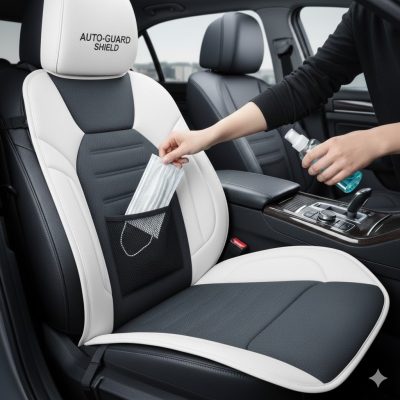
Successfully treating mold on Car Seat PPE Pads is only half the battle. Implementing proper maintenance practices ensures your pads remain mold-free and continue providing optimal protection.
Establish a regular cleaning schedule for your Car Seat PPE Pads, aiming for at least monthly maintenance during humid seasons. Quick wipe-downs after exposure to moisture prevent mold spores from establishing colonies. When cleaning your vehicle interior, pay special attention to areas around Car Seat PPE Pads where moisture might accumulate.
Ventilation plays a crucial role in mold prevention. Whenever possible, crack windows slightly to allow air circulation through your vehicle, especially after exposure to rain or high humidity. Consider using moisture-absorbing products like silica gel packets placed near your Car Seat PPE Pads to reduce ambient humidity levels.
Store spare or seasonal Car Seat PPE Pads in cool, dry locations away from direct moisture sources. Avoid plastic bags for storage, as they trap humidity and promote mold growth. Instead, use breathable fabric bags or boxes with ventilation holes to maintain air circulation around stored pads.
During rainy seasons or in humid climates, periodically remove Car Seat PPE Pads from your vehicle for inspection and airing. This proactive approach allows you to catch early signs of mold before they become serious problems. Sun exposure during these airing sessions provides natural sanitization that keeps your Car Seat PPE Pads fresh and mold-free.
When to Replace Your Car Seat PPE Pads
Despite your best cleaning efforts, some mold damage to your car seat protection pads may be irreversible. Understanding when to replace them can protect both your health and your vehicle investment. Early recognition of warning signs will help you make informed decisions about whether continued use of your pads poses risks that outweigh the cost of replacement.
If mold has deeply penetrated the structural components, affecting the cushioning or support layers, replacement is highly recommended. Compromised padding reduces the protective effectiveness that the pads are meant to provide during daily use and potential accidents. When pressing on affected areas feels unusually soft, hard, or irregular compared to unaffected sections, this indicates internal structural damage. The foam and padding materials inside serve critical protective functions, and their compromise means the pads can no longer fulfill their intended purpose.
Likewise, if musty odors persist after multiple cleaning attempts, the mold may have established roots too deep for home remediation. A lingering smell is a warning sign that mold colonies are still thriving within the inner layers, releasing spores and mycotoxins into your vehicle’s air. Even if visible mold disappears after cleaning, the persistent odor suggests that microscopic mold networks remain active within the material.
Visible degradation, such as fabric tearing, crumbling foam, or discoloration that doesn’t improve after cleaning, is another sign that replacement is needed. These changes indicate mold damage beyond repair, breaking down the fibers and polymers that give the pads their structure. If areas that were cleaned feel brittle, have unusual texture changes, or display permanent staining, the mold has altered the material composition on a molecular level.
Separation or delamination between layers of the pads is another key indicator. Mold growth between bonded layers can break down the adhesives or stitching holding them together. Once delamination begins, it usually progresses rapidly, compromising both comfort and protection.
If you or passengers experience allergic reactions or respiratory issues when entering the vehicle, mold spores from the contaminated pads may be the cause. Symptoms to watch for include sneezing, coughing, watery eyes, skin irritation, or breathing difficulties that improve when away from the vehicle. Children, elderly individuals, and those with weakened immune systems are particularly vulnerable to mold exposure. If multiple people report similar symptoms after riding in your car, airborne mold spores are likely circulating from the contaminated pads.
Consider the age of your pads as well. Even without severe mold damage, older pads that have been exposed to wear and environmental factors become more susceptible to mold growth. As their antimicrobial treatments and protective coatings degrade, replacement may be the most practical solution.
The extent of mold coverage is another factor. If mold affects more than thirty percent of the surface area, cleaning becomes difficult and time-consuming. Large-scale contamination suggests environmental conditions that will likely lead to recurring problems, even after intensive cleaning. In such cases, replacing heavily contaminated pads is often more economical than continued treatment.
Finally, financial considerations play a role. Weigh the cost of cleaning supplies, your time investment, and the potential for recurring mold issues against the price of new pads. Sometimes, the cost of replacement is better value than repeatedly treating damaged ones. Quality pads from reputable suppliers offer warranties and guarantees, providing peace of mind not available when persisting with compromised products.
Safety should always be a priority. These pads serve protective functions beyond comfort, and any compromise to their integrity may reduce their effectiveness in accident scenarios. If you’re uncertain about the condition of your pads after mold damage, it’s safer to replace them to ensure optimal protection for everyone in the vehicle.
The Importance of Quality Car Seat PPE Pads
Investing in high-quality Car Seat PPE Pads from the outset reduces susceptibility to mold and extends product lifespan significantly. The difference between premium and standard Car Seat PPE Pads becomes apparent within the first few months of use, particularly in challenging environmental conditions. Premium materials feature enhanced moisture resistance and antimicrobial treatments that create natural barriers against mold development, saving you considerable time and effort in maintenance.
Quality construction ensures proper ventilation channels within Car Seat PPE Pads, allowing moisture to evaporate rather than accumulate in vulnerable layers. Well-engineered Car Seat PPE Pads incorporate strategic airflow design that promotes continuous circulation even during extended use. This ventilation system works passively to maintain dry conditions within the pad structure, dramatically reducing the likelihood of mold colonization.
The material composition of superior Car Seat PPE Pads typically includes advanced synthetic fibers or treated natural materials that inherently resist moisture absorption. Unlike cheaper alternatives that act like sponges, quality Car Seat PPE Pads feature hydrophobic properties that cause water to bead and roll off surfaces rather than penetrating deep into the material. This fundamental difference in material science translates directly into mold prevention and easier cleaning when spills or moisture exposure occurs.
When selecting new Car Seat PPE Pads, consider materials specifically designed to resist mold and mildew through integrated antimicrobial technologies. Modern Car Seat PPE Pads often incorporate silver ion treatments or other antimicrobial compounds directly into the fiber structure. These treatments remain effective throughout the product lifespan, continuously inhibiting microbial growth even in humid conditions. Look for products with moisture-wicking properties that actively draw perspiration away from contact surfaces, creating an environment hostile to mold development.
The density and structure of foam layers within Car Seat PPE Pads also impact mold resistance. Open-cell foam designs allow air to pass through freely, facilitating rapid drying after moisture exposure. Closed-cell foams, while offering different protective qualities, may trap moisture if not properly ventilated. Understanding these construction differences helps you select Car Seat PPE Pads best suited to your specific climate and usage patterns.
Durability represents another crucial advantage of quality Car Seat PPE Pads. Premium products withstand repeated cleaning cycles without degrading or losing their protective properties. The stitching, binding, and attachment mechanisms on well-made Car Seat PPE Pads maintain integrity through years of use and multiple deep-cleaning treatments. This durability means your investment continues providing value long after cheaper alternatives would require replacement.
Breathable fabrics combined with antimicrobial treatments provide the best defense against future mold issues while maintaining the protective functions essential to Car Seat PPE Pads. The synergy between breathability and antimicrobial action creates a dual-layered defense system. While breathability prevents moisture accumulation that mold requires, antimicrobial treatments eliminate any spores that might attempt to establish themselves on Car Seat PPE Pads surfaces.
Consider also the ease of maintenance when evaluating Car Seat PPE Pads quality. Premium products typically feature removable covers or modular designs that simplify regular cleaning. Some advanced Car Seat PPE Pads include moisture indicators or antimicrobial status indicators that alert users when maintenance is needed, taking the guesswork out of care schedules. These thoughtful design elements demonstrate the comprehensive approach quality manufacturers take toward creating truly user-friendly Car Seat PPE Pads.
The long-term cost effectiveness of quality Car Seat PPE Pads becomes evident when factoring in replacement frequency and maintenance requirements. While premium products require higher initial investment, their extended lifespan and reduced maintenance needs often result in lower total cost of ownership. Additionally, the superior protection they provide for vehicle upholstery prevents costly damage to seats themselves, adding another layer of economic benefit to choosing quality Car Seat PPE Pads. For more information on car seat safety and maintaining protection in your vehicle, check out National Highway Traffic Safety Administration (NHTSA) Car Seat Safety – a trusted resource for guidelines on the proper use and safety of car seat products.
Conclusion
Mold on Car Seat PPE Pads presents a manageable challenge when addressed promptly with appropriate treatment methods. The three approaches outlined in this guide offer effective solutions for varying degrees of mold contamination, from light surface growth to more stubborn infestations. By understanding the causes of mold development and implementing preventive maintenance practices, you can keep your Car Seat PPE Pads in optimal condition for years to come.
Regular inspection and prompt action at the first sign of mold prevent minor issues from escalating into major problems. Remember that the key to successful mold treatment lies in thorough cleaning followed by complete drying. Moisture elimination remains your primary defense against recurring mold problems on Car Seat PPE Pads.
At 8688.vn, we specialize in manufacturing high-quality non-woven products and PPE to meet the diverse needs of healthcare, manufacturing, and real estate sectors. Our product range is designed to be safe, breathable, available in eco-friendly options, and suitable for high-volume use. With competitive wholesale pricing, a stable supply, and expert consultation, 8688.vn is a trusted partner that helps businesses implement effective non-woven solutions.
Visit 8688.vn to explore our full product range and find the right solution for your hygiene, operational, and asset protection needs.
